Best Energy Efficient Side-by-Side Refrigerators for Modern Kitchens
Finding an energy efficient side-by-side refrigerator helps reduce electricity use while keeping food fresh. This guide highlights top options from well-known brands, focusing on models with strong cooling performance, smart features, and reliable efficiency. Below you’ll find quick comparisons and detailed product insights to help you choose a unit that fits your kitchen layout and lifestyle.
Summary of chosen products
| Product | Brand | Capacity (Cu. Ft.) | Key Energy Features |
|---|---|---|---|
| Kenmore 36″ Side-by-Side | Kenmore | 20 | ENERGY STAR certified; Multi-Flow air system |
| Whirlpool WRS321SDHZ | Whirlpool | 21 | Fingerprint-resistant; humidity-controlled crispers |
| Samsung RS27T5561SR/AA | Samsung | 27.4 | Large interior with modern design; fingerprint-resistant |
| Frostorm 3.2 Cu Ft Mini Fridge | Frostorm | 3.2 | Energy-saving mini fridge with adjustable shelves |
| Upstreman BM71 | Upstreman | 7.1 | Energy efficient with bottom freezer |
Kenmore 36″ Side-by-Side Refrigerator

Kenmore’s 36-inch side-by-side provides 20 cu. ft. of capacity in a counter-depth footprint, optimizing kitchen space while delivering ample storage for fresh and frozen foods. It features a Chill & Multi-Flow Air System that rapidly cools groceries and maintains even temperatures on each shelf, ensuring consistent cooling across the entire interior. A factory-installed water and ice dispenser offers filtered water and both cubed and crushed ice for family versatility. The unit’s fingerprint resistant stainless steel exterior helps keep the finish looking clean with minimal maintenance.
Whirlpool WRS321SDHZ 21 Cu. Ft. Side-by-Side
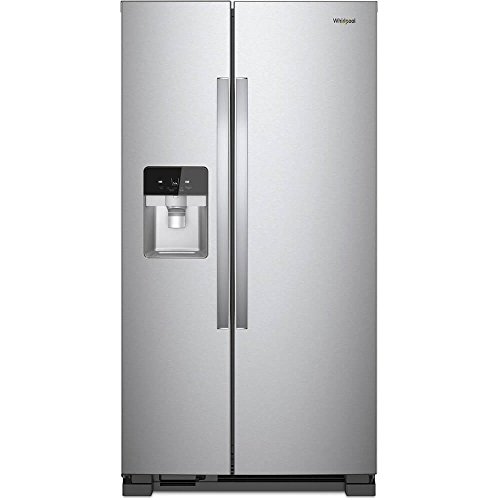
Whirlpool’s WRS321SDHZ offers 21 cu. ft. of spacious storage with adjustable shelves and roomy door bins. The fingerprint-resistant stainless steel exterior helps keep the appliance looking clean. Humidity-controlled crispers keep fruits and vegetables fresh longer, contributing to efficient energy use by reducing waste. The design emphasizes practical organization and easy access, making every item easy to reach without wasting energy on unnecessary cooling work.
Samsung RS27T5561SR/AA Large Capacity

Samsung’s RS27T5561SR/AA provides a redesigned interior with a 27.4 cu. ft. capacity, offering space for more groceries with efficient organization. Its flat panel doors and recessed handles deliver a modern built-in look while maintaining easy access. The fingerprint-resistant finish reduces smudges and cleaning time, supporting efficient upkeep. This model emphasizes maximizing storage without sacrificing energy efficiency, suitable for larger households that need flexible, low-friction operation.
Frostorm 3.2 Cu Ft Mini Fridge with Freezer
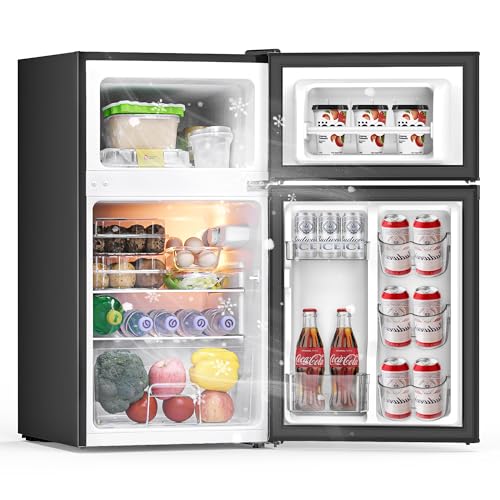
Though compact, Frostorm’s 3.2 cu ft mini fridge with a dedicated freezer demonstrates energy-efficient cooling for smaller spaces. A true double-door design separates fresh food and freezer storage, with interior LED lighting and tempered glass shelves for easy organization. While not a full-size side-by-side, it serves as an energy-conscious option where space or power constraints exist, such as bedrooms, offices, or dorm rooms. The unit emphasizes efficient daily operation and practical temperature control for compact setups.
Upstreman 7.1 Cu.Ft Refrigerator
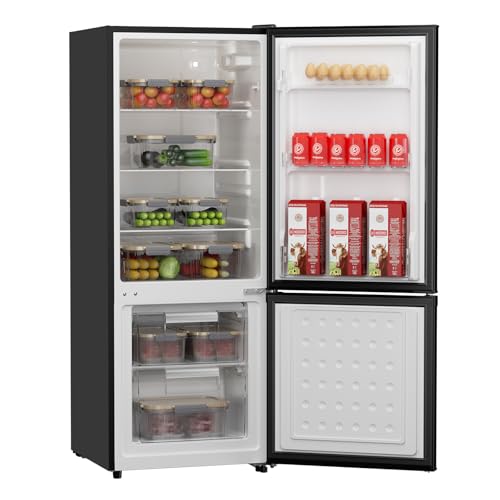
Upstreman’s 7.1 cu. ft refrigerator with bottom freezer provides energy-efficient operation in a compact footprint. The top refrigerator compartment offers a practical 5.45 cu. ft of space with a precise 35°F to 50°F temperature range, while the bottom freezer handles heavier frozen items with a frosty -5.6°F to 15.1°F range. The design prioritizes adjustable shelves and energy-conscious cooling, making it suitable for apartments, dorms, or small kitchens where efficient, accessible storage matters.
Buying Guide: Key Purchase Considerations for Energy-Efficient Side-By-Side Refrigerators
When evaluating energy efficiency, consider both the label and practical features. Look for ENERGY STAR certification as a baseline indicator of efficiency relative to similar models. Consider interior layout: adjustable shelves and door bins improve organization and reduce energy use by minimizing the time doors stay open while locating items. A multi-vent or multi-flow cooling system contributes to uniform temperatures and reduces the need for the compressor to work harder. A fingerprint-resistant finish can cut cleaning costs and keep the exterior looking better with less effort.
Capacity and footprint matter. A larger capacity can be efficient if you routinely stock large quantities, but ensure the unit fits your kitchen’s width and depth constraints. Counter-depth models save space but may have slightly less internal volume. For families with groceries and beverages, models with flexible shelving, humidity-controlled crisper drawers, and water/ice dispensers add convenience without significantly increasing energy draw.
Maintenance and durability impact long-term efficiency. Stainless steel finishes that resist fingerprints reduce cleaning cycles, while a good seal on doors and gaskets prevents cold air from leaking out. Internal lighting (LED) consumes less energy and provides better visibility, helping you locate items quickly. Manufacturer warranties, customer support, and accessibility of replacement parts can influence total ownership costs and reliability over time.
Noise and placement considerations also play a role. Some models operate more quietly, which is beneficial in open-plan kitchens or near living spaces. If you’re considering a compact or dorm-room option, balance the energy efficiency with the available space, power outlets, and expected usage patterns to maximize savings without compromising functionality.
Summary tips for choosing the most energy efficient side-by-side refrigerator:
- Check ENERGY STAR certification and review annual energy consumption in kWh/year.
- Evaluate interior layout for efficient access and storage flexibility.
- Prefer models with LED lighting and sturdy door seals.
- Consider whether a counter-depth design aligns with your kitchen design.
- Assess maintenance needs, warranty coverage, and available parts.