Best Most Energy Efficient Washing Machines for Small Spaces and Big Savings
Finding an energy efficient washing machine that fits your space and budget can lower utility bills and reduce environmental impact. This guide highlights five compact, energy-conscious options with modern features designed to maximize cleaning performance while minimizing energy use. Each model offers multiple wash programs, efficient water usage, and handy design elements for apartments, dorms, and small homes.
| Product | Brand | Key Energy Feature |
|---|---|---|
| Kenmore 4.5 cu. ft. Top Load Washer | Kenmore | Express Wash, Accela Wash for faster cycles |
| BLACK+DECKER 0.9 Cu. Ft. Portable Washer | BLACK+DECKER | Multiple cycles with cold water option and compact tub |
| COMFEE’ 2.4 Cu.ft Portable Washer | COMFEE’ | Auto Clean, Hygiene+ rinse, Turbo Wash |
| COMFEE’ 1.6 Cu.ft Portable Washer | COMFEE’ | Energy saving motor, 6 programs, LED display |
| COMFEE’ 2.0 Cu.ft Portable Washer | BODACIOUS | 10 wash modes, low noise, space saving |
Kenmore Top Load Washer With Triple Action Impeller

The Kenmore model combines robust cleaning with efficiency features aimed at reducing laundry time. Its Triple Action Impeller uses spraying, basket movement, and circular clothes motion to tackle tough stains with less water and energy per load. The Express Wash cycle handles small loads quickly, while Accela Wash accelerates full-size cycles by up to 51% compared with standard settings. Ten wash cycles provide flexibility for everyday fabrics, towels, whites, and delicates. A Soft Close lid and tempered glass offer convenient, quiet operation without splashing or slamming. This unit is designed to balance strong performance with shorter, more energy-conscious washing cycles.
BLACK+DECKER 0.9 Cu. Ft. Portable Washer
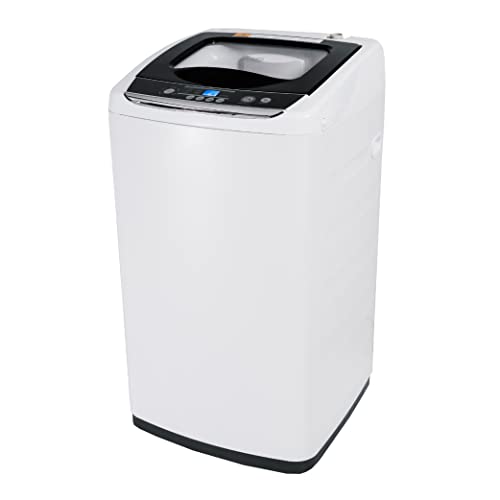
This compact portable washer is designed for efficiency in small spaces. It offers five cycles, including Heavy, Gentle, Normal, Rapid, and Soak, with multiple water level options for load size. Cold water operation helps save energy, especially on lighter loads. The stainless steel tub ensures durability and resistance to rust, while the see-through top lid lets users monitor cycles without opening the unit. Ideal for apartments or seasonal use, its space-saving footprint makes it a practical choice for energy-conscious households.
COMFEE’ 0.9 Cu.Ft Portable Washer With LED

The COMFEE’ 0.9 cu ft model focuses on efficient cleaning with an LED display that helps users optimize cycle timing. Its full-automatic operation includes multiple modes and water level adjustments to minimize energy use. The unit features a durable steel inner tub and a transparent lid for easy cycle monitoring. While compact, it provides enough capacity for small households or dorm rooms and emphasizes efficient water and energy use across its programs.
ROVSUN 25LBS Portable Washing Machine

This 25-pound-capacity portable unit blends washing and drying in a compact footprint. Its 2-in-1 design reduces the need for separate machines, potentially saving energy across cycles. The diamond-pattern inner drum is designed to protect fabrics while improving cleaning performance. With 10 wash modes and five water levels, users can tailor cycles to the load, optimizing energy use. An air-dry function promotes airflow to shorten post-wash moisture and can contribute to overall efficiency for small households.
ROVSUN 17.8LBS Full Automatic Washer & Dryer Combo

This compact combo unit pairs a fully automatic washer with a dryer to reduce overall energy use by consolidating laundry tasks. The washer uses a diamond-like stainless steel drum to minimize fabric abrasion, while the dryer employs a 850W element with adjustable heat up to 140°F. Eight washing programs and five water levels provide versatility for different fabrics, with the air exchange technology helping to keep clothes clean, fresh, and less energy-intensive when compared to separate machines in some configurations.
Buying Guide: Energy Efficiency and Practical Considerations
Key design choices influence energy efficiency: cycle optimization, water usage, spin speed, and machine size relative to laundry needs. For compact spaces, portable and apartment-friendly washers commonly rely on lower energy consumption by using smaller loads and shorter cycles. Look for the following considerations when evaluating models:
- Energy and water efficiency certifications: ENERGY STAR ratings and water-saving features indicate lower annual energy and water use. Check product specs for estimated annual energy consumption per cycle.
- Load size matching: Smaller households benefit from machines with flexible load options and lighter cycles, while larger compact models can handle daily needs without wasteful over-drying.
- Cycle customization: Programs like Express, Turbo, or Hygiene modes can shorten cycles while maintaining cleanliness, reducing energy per load.
- Spin speed and moisture removal: Higher spin speeds extract more water, reducing dry time and energy used by a dryer (if paired) or air-drying needs.
- Water temperatures and rinse options: Predominantly cold or warm cycles save energy; multiple rinse levels can improve efficiency for different fabric types.
- Space and portability: For apartments or dorms, consider models with wheels, compact footprints, and built-in drainage solutions to minimize installation costs and energy waste from oversized units.
- Maintenance and longevity: Durable materials like stainless steel tubs resist wear, reducing energy and resource use from frequent replacements or repairs.
Among the examined options, consumers should weigh cycle duration versus cleaning power, the practicality of a given size for their laundry habits, and the total energy footprint over typical weekly use. For households prioritizing shorter cycles and faster turnaround times, models featuring Express or Turbo settings with multiple cycles tend to deliver more efficient laundry sessions. For those who prefer two-in-one functionality, compact washer-dryer combos can lower energy usage by consolidating appliance operation into a single cycle plan, though they may trade off some capacity for efficiency.