Best Old Fashioned Milk Separator for Home Dairy and Small Farms
Need an old-fashioned milk separator that still delivers clean, consistent cream separation for small-scale dairy needs? This guide highlights five reliable options that blend classic separation methods with modern materials. Each product is suited to different buyers—whether you’re a home hobbyist, a small farm operator, or someone who processes goat or cow milk regularly. The following selections explain who each unit is best for, plus practical pros and limitations to help you choose confidently.
| Product | Best For | Key Benefit |
|---|---|---|
| DIYAREA Milk Cream Centrifugal Separator Electric | Home use; goat/cow milk processing enthusiasts | High rpm for thorough separation; stainless steel components |
| JAYUDQE Milk Cream Centrifugal Separator Machine | Small farm and daily home use | Efficient separation; durable stainless steel |
| Carivia Milk Cream Centrifugal Separator | Small farms; adjustable cream thickness | 5L bowl; adjustable fat ratio |
| VEVOR Electric Milk Cream Separator (60L/H) | Medium-duty dairy projects; organized workflow | High-speed 10500RPM; adjustable fat ratio |
| VEVOR Electric Milk Cream Separator (60L/H) | General home dairy | Same core specs; versatile |
Note: This table summarizes core strengths and typical use cases. For each product, specific compatibility with your milk type (goat vs cow), desired cream thickness, and maintenance expectations will influence the best choice.
DIYAREA Milk Cream Centrifugal Separator Electric

This unit operates at up to 10500 rpm, enabling thorough separation of cream from skim milk. It uses aluminum alloy for most parts, with a 304 stainless steel milk bowl and spouts. The device’s separator mechanism aims to handle whole milk with simultaneous contaminant removal. Best for dedicated hobbyists or small-batch dairy processing who want fast, consistent results and robust construction. Limitation: high rpm can mean more frequent maintenance needs and careful handling.
JAYUDQE Milk Cream Centrifugal Separator Machine
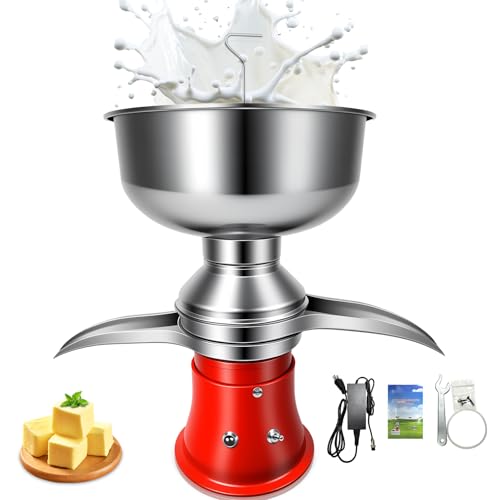
Described as efficient and easy to operate, this stainless steel separator emphasizes quick cream separation and durable, food-grade materials. It’s well-suited for daily home use or small farm routines where reliability and straightforward cleaning are priorities. Best for households seeking a straightforward, durable design with simple controls. Caution: check for any required assembly steps and ensure components are properly sanitized before first use.
Carivia Milk Cream Centrifugal Separator

Carivia offers a 5L milk bowl and a high-speed 10500 rpm motor, suitable for processing around 50 liters per hour. All contact surfaces use 304 food-grade stainless steel, with a durable base and 30W motor noted for efficiency and relatively low noise. Best for small farms or families who want to customize cream thickness between 1:3 and 1:12. Limitation: cream yield per hour is lower than larger industrial models, so plan for batch processing sessions.
VEVOR Electric Milk Cream Separator (60L/H)

VEVOR emphasizes a 60 L/h separation rate with a 10500 rpm core, using food-grade stainless steel and ABS for durability in dairy contexts. The 4.5L bowl supports modest daily operation, and the 40W motor suggests energy-conscious use. Best for buyers wanting a steady, reliable unit with adjustable fat separation in a compact package. Caution: verify that the base supports stable operation on uneven surfaces to prevent vibration during high-speed runs.
VEVOR Electric Milk Cream Separator (Second Model)

This model mirrors the other VEVOR unit with a 60 L/h output and 10500 RPM, designed for efficient separation and a 4.5L bowl. It uses food-grade stainless steel and ABS for safety and durability. Best for users who want a consistent separator with adjustable fat separation while maintaining a compact footprint. Limitation: similar to the first VEVOR unit, ensure your electrical setup matches the 100-240V specification and local plug type.
Diydeg Milk Cream Separator
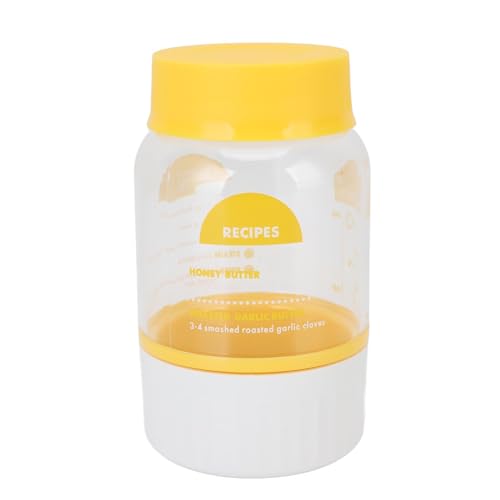
This manual fat separator focuses on butter making and a simple one-person workflow. It uses plastic construction for long-term use and includes a built-in strainer for convenient drippings or juice separation. Best for families who enjoy homemade butter or small kitchen experiments with minimal power requirements. Caution: manual operation may limit throughput and consistency compared to electric separators.
ZIJINGM Electric Milk Skimmer

This aluminum alloy manual cream separator emphasizes a durable build and straightforward operation for home dairy farms. Best for users who want a low-maintenance, reusable manual solution for separating cream and skim milk without high energy use. Caution: manual models may produce less consistent cream thickness than electric units; plan accordingly for batch timing.
EOQIFJM Arsor Milk Cream Centrifugal Separator

This lightweight aluminum alloy manual separator is designed for farm goats, sheep, and cows in home dairy settings. It aims for complete separation without requiring high milk temperatures, producing a clear skim layer and a separate ghee layer. Best for small farms seeking a simple, easy-to-install separator. Limitation: manual operation may be less practical for high-volume processing.
Buying Guide: How To Choose The Right Old-Fashioned Milk Separator
Consider these practical questions when selecting a separator:
- What is your daily milk volume? Choose a unit that matches or exceeds your typical throughput to avoid bottlenecks.
- Do you need a manual or electric model? Manual units are cheaper and quieter but require more effort; electric units offer consistent speed with more features.
- What materials matter most? Food-grade stainless steel surfaces reduce corrosion risk and ease cleaning; ensure the bowl and contact parts meet safety standards.
- Is cream thickness important? Look for adjustable fat separation ratios or predefined outputs to tailor your cream consistency.
- What are your cleanup and maintenance expectations? Detachable parts and accessible design save time between uses.
- What is the target milk type (goat vs cow)? Some units are optimized for goat milk’s fat profile, while others handle cow milk with minimal adjustments.
Frequently Asked Questions
- What is the primary purpose of a milk cream separator?
To separate cream from skim milk using centrifugal force, producing a cream layer and a skim milk layer. - Can I use any separator for goat milk?
Most models are suitable, but some may be optimized for cow milk and require adjustments for fat content. - What maintenance is required after use?
Rinse thoroughly, sterilize contact surfaces, and dry completely to prevent corrosion and bacteria growth. - Is an electric separator always faster than manual?
Generally, yes, but manual units can suffice for low-volume operations and provide portability. - What should I look for in the bowl capacity?
A larger bowl supports bigger batches but adds weight and space; match capacity to your typical daily volume. - Are there safety concerns with high-speed separators?
Follow manufacturer instructions, keep hands away from moving parts, and use appropriate protective equipment when needed.