Best Overhead Kitchen Exhaust Fans for Clean, Smelling-Free Cooking
Looking for an overhead kitchen exhaust fan that fits your space and cooking style? This guide highlights five top options, ranging from ducted and ductless range hoods to compact or portable models that still sit above the stove. Each choice is evaluated for suitability, airflow, filtration, installation, and practical limitations to help you pick the right model for your kitchen.
Buyer types at a glance:
- Apartment or condo dwellers needing a slim, ductless option.
- Home cooks who want strong suction and quiet operation.
- Renters who need portable or plug-and-play solutions.
- Small-space studios seeking compact, space-saving designs.
- Owners upgrading from a basic vent to a full range hood with better filtration.
Summary of selected products
| Product | Best For | Main Advantage | Limitations |
|---|---|---|---|
| COMFEE’ CVU30W2AST Range Hood | Condos and apartments needing ducted or ductless options | 2-speed exhaust with dual filter setup | Requires correct filter type for ducted vs. ductless install |
| FIREGAS Black Range Hood 30 Inch | Home kitchens needing high airflow | 300 CFM with ducted or ductless convertibility | Some assembly may be required during install |
| Amico 8 inch Kitchen Exhaust Fan | Heavy-duty ventilation needs | 686 CFM with energy-efficient EC motor | Large unit; higher power may be overkill for small kitchens |
| BREETEE Portable Range Hood (Off-White) | Renters or temporary setups | No installation needed; dual-layer filtration | Not a full overhead hood; best for portable use |
| BREETEE Portable Range Hood (Grey) | Flexible spaces and travel-friendly kitchens | Plug-and-play with compact footprint | Limited suction compared to full-size hoods |
COMFEE’ CVU30W2AST Range Hood 30 Inch

The COMFEE’ CVU30W2AST is a 30-inch range hood that supports both ducted and ductless installations. It features two speeds for exhaust and comes with two filter options: an aluminum mesh and activated carbon filter, plus a durable reusable aluminum mesh filter. The filters are designed to handle common cooking smoke and odors while offering easy maintenance in a stainless steel body. Best for apartment settings where you need flexible venting options and easy cleanup.
Best for: small to medium kitchens in condos or apartments that may switch between ducted and ductless configurations. Why chosen: dual-filter compatibility and a slim stainless steel profile save space while improving air quality. Caution: match the filter type to your installation to ensure optimal performance and replacement timing.
FIREGAS Black Range Hood 30 Inch Under Cabinet

The FIREGAS 30-inch under-cabinet hood offers a robust 300 CFM airflow with a three-speed exhaust system. It supports both ducted and ductless configurations and uses 3-layer aluminum filters along with CC170 carbon filter for odor control. Integrated LED lighting aids cooking visibility. Best for kitchens with higher smoke demands or those who want convertible venting without sacrificing filtration quality.
Best for: medium to larger kitchens needing strong ventilation and flexible venting. Why chosen: higher CFM and convertible ducting expand installation options. Caution: ensure adequate duct routing if choosing a ducted setup to maximize efficiency.
Amico 8 Inch Kitchen Exhaust Fan

The Amico 8-inch exhaust fan delivers up to 686 CFM, powered by a high-efficiency EC motor. This model targets heavy-duty ventilation needs such as high-heat cooking or spaces requiring rapid air exchange. It includes a remote control with 9 speeds and a timer, enabling precise operation without constant adjustment. Best for garages, attics, or large kitchens where powerful extraction is essential.
Best for: users seeking high airflow and energy efficiency in a retrofit or large space. Why chosen: top-level airflow with programmable controls. Caution: larger footprint and higher noise potential compared to standard under-cabinet hoods.
BREETEE Portable Range Hood – 5-Layer Filter (Grey)
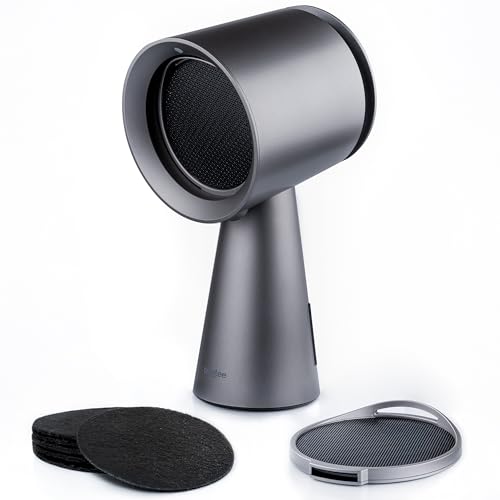
This portable unit does not require installation and uses a 5-layer filtration system, including aluminum mesh and activated carbon. It is designed for apartments, dorms, and flexible cooking setups where a full over-the-stove hood is unavailable. Best for renters needing instant air quality improvement without ductwork.
Best for: renters or temporary kitchens needing immediate smoke and odor control. Why chosen: no ductwork and plug-and-play operation. Caution: not a substitute for a full overhead range hood in high-heat or high-volume cooking.
BREETEE Portable Range Hood – Off-White

The off-white version offers the same plug-and-play benefits with a 70-inch power cord for flexible placement. It remains a portable solution suited for small kitchens, RVs, or dorm setups. Best for: those who want a lightweight, move-anywhere hood with straightforward use. Why chosen: portability and easy setup. Caution: suction strength may be limited compared to full-sized hoods.
Buying Guide: Key Considerations For Overhead Kitchen Exhaust Fans
- Ventilation Type: Ducted Hoods (vent air outside) vs. Ductless/Recirculating (filters air inside). Ducted typically offers stronger removal but requires exterior venting; ductless provides flexibility in apartments but relies on filters.
- Airflow (CFM): Higher CFM means stronger smoke and odor removal. Match CFM to stove size and cooking style. Avoid oversized units for small kitchens to reduce noise and energy use.
- Filtration: Look for aluminum mesh filters and activated carbon filters for odor control. Consider ease of filter replacement and dishwasher-safe options for low-maintenance cleaning.
- Size And Fit: Standard 30-inch models fit most apartment and new-build kitchens. Confirm cabinet clearance, duct routing, and mounting height above the cooktop for optimal performance.
- Noise Level: Check sones or decibel ratings. Quiet operation is important in open-plan spaces and homes with bedrooms nearby.
- Lighting: Integrated LED lighting helps improve cooking visibility and energy efficiency. Ensure lighting color and brightness suit your kitchen layout.
- Installation And Maintenance: Determine whether a professional install is needed, especially for ducted systems. Consider filter replacement frequency and availability of parts.
- Special Scenarios: For renters or temporary setups, portable or plug-and-play options provide flexibility but may sacrifice some suction strength.
FAQ
- What is the difference between ducted and ductless kitchen hoods?
- How many CFM do I need for a typical kitchen?
- Are portable or compact hoods effective?
- How often should filters be replaced?
- What installation considerations matter most?
- Can I upgrade an existing hood?
Ducted hoods vent air outside the home, offering stronger and more consistent ventilation. Ductless hoods filter air and recirculate it back into the kitchen, which is easier to install in apartments but requires regular filter maintenance.
For most households, 300–600 CFM suffices for standard cooking. Larger or multi-burner setups may benefit from higher CFM, but match to your stove size and kitchen volume to avoid excessive noise and energy use.
Portable hoods work well for renters or temporary kitchens and won’t replace a full overhead hood in high-heat cooking. They provide immediate air quality improvements but typically have lower suction than built-in models.
Aluminum filters often last several months with regular cleaning, while activated carbon filters may need replacement every 3–4 months in average use. Follow manufacturer guidance for best performance.
Check cabinet clearance, duct routing availability, electrical setup, and whether the hood is designed for ducted or ductless use. A proper seal and venting path maximize efficiency and minimize noise.
Yes, many units offer ducted or ductless options, but verify compatibility with your cabinet cutout size, electrical supply, and existing ductwork before purchasing.