Best Pizza Dough Kneading Machines for Easy Home Baking and Fermentation
The buyer’s intent here is clear: find a reliable, user-friendly dough maker that handles pizza dough and related doughs with consistent results. The top picks below are best for home bakers who want hands-free kneading, built-in fermentation, and ample capacity for family-sized batches. Ideal buyers include weekly pizza makers, sourdough enthusiasts, and busy households seeking reliable, semi-automatic kneading with fermentation support. The table compares key specs to help you decide at a glance.
| Product | Capacity | Fermentation | Best For |
|---|---|---|---|
| Joydeem HMJ-A501 | 5.3 Qt | Constant temp | Medium batches, versatile doughs |
| AmareMagis 7.4QT | 7.4 Qt | Automatic | Family baking, large doughs |
| HaiiuzHi 7.4QT | 7.4 Qt | Automatic | Bread, pizza, sourdough |
| AIZIYO 7.4QT | 7.4 Qt | Ferment with proofing | Chewy doughs, sourdough |
| Joydeem HMJ-A351 | 3.7 Qt | Dual seasonal fermentation | Smaller households, versatile doughs |
| Sunvivi 5.2QT | 5.2 Qt | Weighing & fermentation | Precise measurements, medium batches |
Joydeem Electric Dough Maker With Ferment Function

Best for: medium to large families that make a variety of doughs regularly. The 5.3 Qt bowl handles 300–1600 g of flour per batch, with a 180 W motor designed to mimic hand-kneading. The machine includes a fermentation feature that maintains 77–100°F, supporting bread, pizza, sourdough, roti, dumplings, and buns. The built-in fermentation helps dough rise consistently, which is essential for fluffy pizza crusts and well-developed sourdough. Use warm water in winter for better fermentation and dough activity.
Why selected: This model combines a compact footprint with a versatile dough range, making it suitable for households that bake diverse doughs. The interval kneading simulates manual kneading, which can yield a gluten structure closer to hand work.
Caution: If your winter kitchen runs cool, you may need to warm ingredients to keep fermentation on track, as the unit’s fermentation operates within a modest temperature window.
AmareMagis 7.4QT Electric Dough Mixer

Best for: families or households that frequently bake in larger batches. The 7.4 Qt stainless steel bowl supports 600–2100 g of flour, making multiple loaves or large pizzas in one run. It is designed specifically for dough tasks (bread, pizza, pasta) with smoother, more elastic results than simple mixing. The hands-free kneading feature saves time, letting you prepare dough while attending to other steps.
Why selected: Its large capacity and dedicated dough focus make it a practical upgrade for regular pizza night and weekend bread baking, reducing the time spent kneading by hand.
Caution: As with other large-capacity machines, cleaning the bowl and blade is essential; ensure it is dishwasher-safe and remove any stubborn dough residues after use.
HaiiuzHi Dough Maker With Ferment Function

Best for: households needing a large, durable unit with automatic fermentation. The 7.4 Qt bowl supports 300–2100 g of flour per batch, with a 250 W motor that handles bread, pizza dough, dumplings, and sourdough. The automatic fermentation mode runs at 77–100°F (25–38°C) to promote proper yeast activity and dough texture.
Why selected: This model emphasizes reliable fermentation and a wide range of dough tasks in a commercial-grade-feeling package, suitable for regular, larger-scale baking sessions.
Caution: The larger footprint means it requires sufficient counter space; confirm the device width fits your kitchen setup.
AIZIYO 7.4QT DoughChief
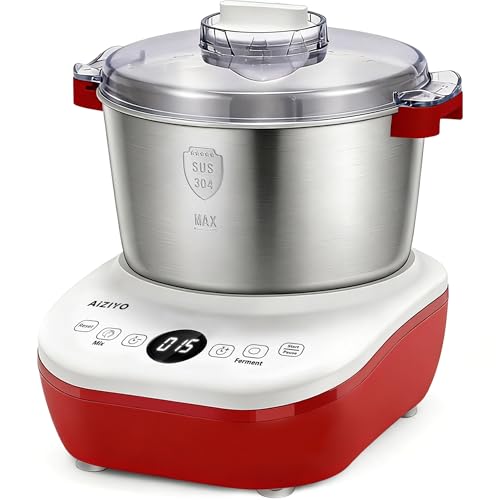
Best for: home bakers seeking a hand-kneading-simulation program and fermentation stability. The removable S-shaped paddle and a “mix-pause-mix” cycle help develop gluten gradually to achieve dough that’s softer, chewier, and more elastic—great for sourdough and pizza dough. Built-in fermenting maintains 77–100°F to ensure consistent proofing.
Why selected: The kneading approach aims to mimic hand kneading without overworking the dough, improving texture for pizzas and breads alike.
Caution: The program relies on yeast activity, so use yeast suitable for active fermentation and follow recommended flour-to-water ratios for best results.
Joydeem HMJ-A351 Dough Maker With Dual Seasonal Fermentation

Best for: users who bake year-round and want season-specific fermentation control. With a 3.7 Qt bowl, it handles 200–1100 g of flour, and supports dual seasonal fermentation modes using a 150 W motor. Summer Mode maintains 35–40℃ (95–104℉) for 5–90 minutes; Winter Mode sustains 40–45℃ (104–113℉) for 5–120 minutes. This helps doughs adapt to temperature shifts.
Why selected: The dual fermentation modes simplify year-round dough preparation, especially in climates with variable temperatures.
Caution: Smaller bowl size means batches will be smaller; plan for multiple runs for large batches like family pizzas or multiple loaves.
Dough Mixer With Fermentation Function, 5.3Qt Large Capacity
Best for: bakers who want a balance of capacity and automation. This 5.3 Qt model features a 250 W motor and automatic fermentation at 77–100°F, suitable for bread, pizza dough, dumplings, cookies, and cakes. It can handle up to 1600 g of flour in standard batches and supports up to 1300 g for fermented dough.
Why selected: The combination of a medium bowl size and a robust fermentation function makes it versatile for families and casual bakers focusing on pizza and bread.
Caution: For optimal dough texture, maintain consistent mixing times and avoid overloading the bowl beyond recommended flour limits.
Sunvivi Electric Dough Maker With Weighing Function

Best for: precision-minded bakers who want exact dough formulations. The 5.2 Qt capacity supports 2.2–11 lb dough ranges, with a weighing function and automatic fermentation at 77–100°F. It combines a stainless steel bowl and a touch panel for straightforward operation and consistent results for pizza and bread doughs.
Why selected: The built-in scale reduces recipe mismeasurements, helping you achieve reliable dough hydration and texture across batches.
Caution: The added weighing feature means more electronics to clean; ensure you clean the weigh platform after each use to avoid residue buildup.
Buying Guide
What capacity should you choose? If you bake for a family or plan multiple pizzas at once, opt for 7.4 Qt models. For smaller households, a 3.7–5 Qt unit is often sufficient.
Is fermentation important? Models with automatic fermentation simplify proofing by maintaining stable temperatures. Consider whether you want a single-mode or dual-season fermentation feature to adapt to climate changes.
How important is kneading style? Some machines mimic hand-kneading with interval mixing or S-shaped blades, which can improve gluten development. If you love traditional texture, prioritize models that advertise hand-kneading simulation.
What about features beyond kneading? A weighing function, a dedicated dough mode, and a proofing box can save steps and ensure dough consistency across recipes.
What kitchen space is available? Larger bowls require more counter space. Confirm dimensions before purchasing to ensure the unit fits your workspace.
Frequently Asked Questions
- What is the main benefit of a fermentation function in a dough maker?
It helps dough rise at a controlled and consistent temperature, improving texture and flavor development. - Can these machines replace a stand mixer for pizza dough?
They are designed to handle kneading and fermentation; for some recipes they can supplement or replace manual kneading, but results may vary by recipe. - What capacity is best for weekly pizza making?
A 5–7 Qt machine is typically ideal for 2–3 medium pizzas per batch and additional dough for bread or buns. - Do these devices require special yeast or ingredients?
Use standard active dry yeast or instant yeast as directed by your recipe; fermentation modes may require yeast activation in water at specific temperatures. - Are these machines easy to clean?
Most have stainless steel bowls and removable components; check dishwasher compatibility for the bowl and blades. - What should I consider for winter baking?
Choose a model with stable fermentation temperatures or a dual-season option to maintain dough activity in cooler months.