Best Portable Indoor Gas Burners for Easy Indoor Cooking
Answer: For reliable, controllable heat in compact setups, these portable gas burners are top choices for indoor use and emergency cooking. They are best for campers, apartment dwellers with outdoor-like cooking needs, and anyone seeking quick, high-heat options without electric stoves. This guide highlights five versatile models, noting who they’re best for and potential limitations so you can pick confidently.
The following table summarizes the selected products to help you compare at a glance.
| Product | Fuel Type | BTU/Power | Best For |
|---|---|---|---|
| Gas One Portable Butane Camping Stove | Butane | 7,650 BTU | Casual outdoor use; compact carry case; quick boiling |
| Gas One GS-3400P Dual Fuel Stove | Butane or Propane | 8 oz cartridge or 16.4 oz cylinder | Emergency prep; versatile fuel options |
| GasOne 15,000 BTU Dual Fuel Stove | Butane or Propane | 15,000 BTU | High-heat cooking; bigger meals outdoors |
| Iwatani 35FW Single-Burner Butane | Butane | 15,000 BTU | Indoor/outdoor versatility; easy loading |
| Sterno Portable Butane Stove | Butane | 10,000 BTU | Action stations; portable catering |
Gas One Portable Butane Camping Stove

Best for: casual outdoor cooking and portability. This stove delivers 7,650 BTU with a high efficiency design, boiling water quickly. It is CSA-approved, with an automatic fuel cartridge injection safety feature that ejects the canister if needed, reducing risk during use.
Why selected: Its combination of automatic ignition and safety shut-off offers reliable operation for campers and home emergency kits. The included carrying case enhances transportability for tailgating or trips.
Limitations: Uses 8 oz butane canisters (fuel sold separately). Availability of canisters may vary by region, and weather can affect performance even with good design.
Gas One GS-3400P Dual Fuel Stove
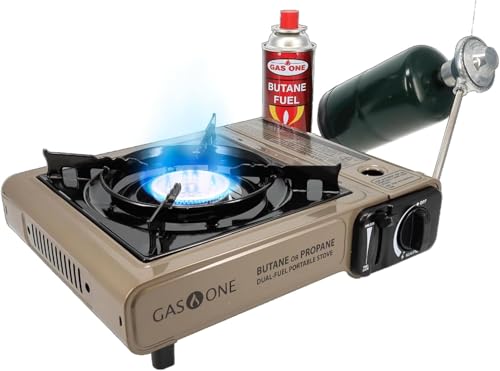
Best for: emergency preparedness and flexibility. This dual-fuel unit accepts either butane (fuel not included) or propane (fuel not included) and comes with a propane converter regulator, broadening fuel options in diverse contexts.
Why selected: The dual-fuel capability plus an automatic piezo ignition makes it adaptable for varying fuel availability, ideal for campers who don’t want to stock multiple stoves.
Limitations: Requires separate purchase of fuel; performance can vary if the wrong regulator is used or if regulator isn’t properly attached in cold conditions.
GasOne 15,000 BTU Dual Fuel Stove

Best for: high-heat outdoor cooking and larger meal prep. With 15,000 BTU output, this stove aims at speed and versatility whether you’re camping, tailgating, or emergency-prepping.
Why selected: The high heat supports rapid boiling and searing, and the unit is designed to work with both 8 oz butane and 16.4 oz propane, offering strong flexibility for frequent travelers.
Limitations: Fuel (both butane and propane) is not included, so buyers must source fuel separately; use of propane may require additional adapters not shown in basic descriptions.
Iwatani 35FW Single-Burner Butane Portable Cooktop
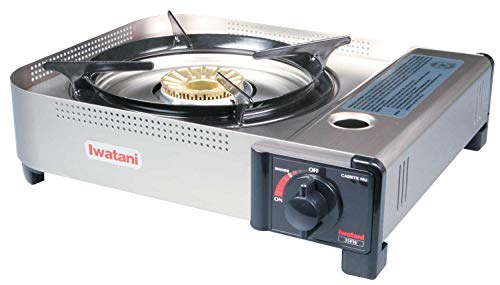
Best for: indoor and outdoor cooking with compact heat. The Iwatani model offers a high 15,000 BTU output and a straightforward locking mechanism that reduces the risk of incorrect fuel loading.
Why selected: Its design maximizes the entire can of butane for consistent heat, and the magnet-based fuel loading helps prevent missteps during setup, making it reliable for quick meals and small gatherings.
Limitations: Butane fuel is required and not included; performance can vary in drafty environments without wind protection compared to larger outdoor-focused units.
Sterno Portable Butane Stove
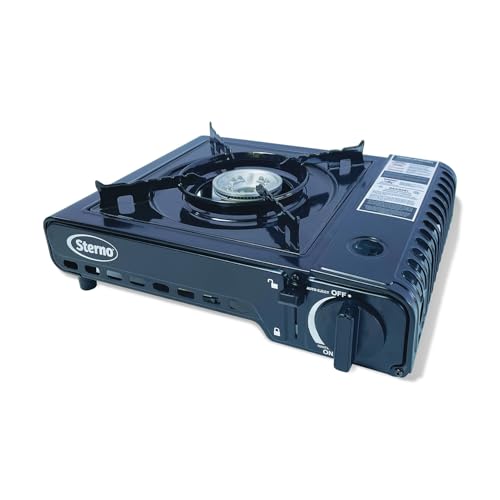
Best for: action stations and portable catering. This Sterno stove provides 10,000 BTU and includes a carrying case for easy transport to events or catering setups.
Why selected: The adjustable flame and safety features support versatile cooking in mobile environments, with a practical footprint for temporary setups and demonstrations.
Limitations: Like others, fuel must be purchased separately; the unit’s wind performance can be limited indoors, so it’s best used in sheltered spaces or with wind guards in outdoor use.
Buying Guide
What to consider before buying a portable gas burner
Fuel type and availability influence cost, convenience, and use cases. Butane is common for compact stoves, but propane offers longer burns and easier refill options in some regions. Dual-fuel models increase versatility for seasonal use.
BTU output determines heat speed and suitability for meals. Higher BTU models heat faster but may require stronger wind protection or tighter control to prevent scorching.
Ignition and safety features matter for indoor use. Piezo ignition simplifies lighting, while automatic shut-off and CSA/UL listings provide safety assurances for home environments.
Portability and included accessories, like carrying cases, impact travel convenience. Look for sturdy construction and compact dimensions for apartment kitchens or emergency kits.
Fuel availability and cost are ongoing considerations. Ensure you can readily source the specific fuel type in your location and plan for occasional replacements.
How to choose by use case
- Casual outdoor cooking and quick meals: prioritize compact weight, strong boil speed, and a robust carry case (Gas One portable stove).
- Emergency preparedness: dual-fuel capability and reliable ignition are valuable (GS-3400P and 15,000 BTU dual-fuel).
- Indoor/outdoor versatility: high BTU output with easy loading and wind protection (Iwatani 35FW).
- Event catering or action stations: steady heat and transport-ready design (Sterno and similar high-heat models).
Maintenance and safety tips
- Regularly check fuel cartridges and connections for leaks before use.
- Store fuel separately and follow manufacturer guidelines for storage.
- Keep a small fire extinguisher handy when using any portable burner indoors or in enclosed spaces.
FAQ
- Q: Are these suitable for indoor use? A: Yes, many are designed for both indoor and outdoor use when used with proper ventilation and safety precautions.
- Q: What fuel types do these burners use? A: Most of the listed models use butane; several are dual-fuel and support propane as well.
- Q: Do these include fuel? A: Fuel is typically not included; cartridges or cylinders must be purchased separately.
- Q: Is ignition automatic? A: Several models feature automatic piezo ignition or safe-start mechanisms for ease of use.
- Q: Which is best for emergencies? A: Dual-fuel models and higher BTU units offer versatility and faster heat in emergencies.
- Q: How should I transport a portable stove? A: Use the included carrying case or a protective bag to prevent damage and ensure safe handling during travel.