Best Saws to Cut Meat for Home Butchering and Kitchen Use
Looking for the right saw to cut meat at home or in a small shop? This guide covers practical options for breaking down large cuts, bones, and joints. Each product is suited to different buyers—farm-to-table hobbyists, home butchers, or small processing setups. Below is a quick summary of five standout options to help you compare at a glance.
| Product | Best For | Key Benefit |
|---|---|---|
| Weston Butcher Meat and Bone Saw | Home butchers, large meat buyers | Sturdy 16″ blade; quick release handle |
| Newhai Electric Cordless Bone Saw | Mobile or compact setups | Cordless convenience; multiple blades |
| KATA 25-Inch Meat Saw | Long, precise cuts | Durable SK5 blade; easy blade change |
| ProSSS Folding Bone Meat Saw | Field use, hunting, portable work | Replaceable blade; multi-angle lock |
| 1500W Generic Bone Saw | High-throughput cutting | High power; adjustable thickness |
Weston Butcher Meat and Bone Saw
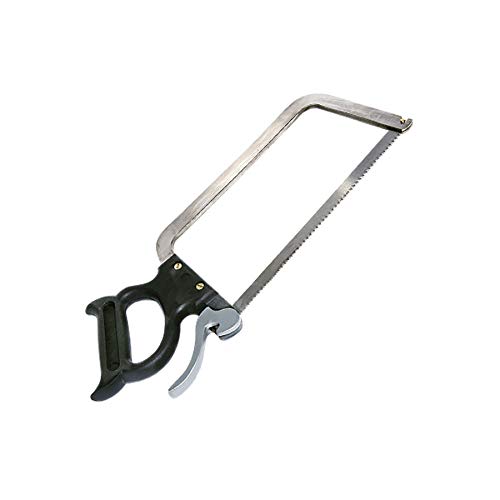
The Weston Weston Butcher Meat and Bone Saw is built for heavy-duty home butchering and processing large cuts. Its 16-inch serrated blade makes straight through muscle, sinew, and bone, enabling efficient breakdown of big portions from ranches, farms, or game processing. The ergonomic handle is designed to reduce fatigue during extended use, making it a solid choice for buyers who expect to work for longer sessions. Best for: home butchers who regularly process large primal cuts. Caution: blade maintenance and proper safety practices are essential to avoid binding or chipping when cutting dense bone.
Newhai Electric Bone Saw Machine

The Newhai Electric Bone Saw is a cordless handheld model suited for kitchens or small butchery setups. It includes four blades and a 3000mAh battery pack, offering versatile cutting across ribs, pork trotts, beef, lamb, and even frozen items. The speed is adjustable via a variable switch and safety lock, making it safer for home use and for quick changes in cutting tasks. Best for: compact spaces or homeowners who want portable power. Caution: cordless operation requires regular charging and storage considerations for blade longevity.
KATA 25-Inch Meat Saw

The KATA Meat Saw features a durable stainless steel frame and a 25-inch SK5 blade designed for clean, precise cuts. The blade change is quick, which helps in maintaining sharpness through repeated use. This saw is best for buyers who need long, uninterrupted cuts with minimal blade downtime. Caution: assembly and blade maintenance should follow the manufacturer’s guidance to avoid bending the blade under heavy loads.
ProSSS Folding Bone Saw

The ProSSS Folding Bone Saw is designed for field use with a replaceable blade and a 65Mn steel construction rated at high hardness. It offers three locking angles (120°, 150°, 180°) to tailor the cut to your task, plus a safety lock for secure operation. Best for: hunters and outdoor processors who need a compact, adaptable tool. Caution: folding mechanisms require regular inspection to ensure locks engage fully for safe use.
1500W Bone Saw Meat Cutter

This heavy-duty bone saw operates with a 1500W motor and uses stainless steel components to support high-volume cutting. It offers a broad spectrum of cutting thickness that can be dialed from 0.04 to 7.8 inches, making it suitable for a range of meat processing tasks. Best for: professional or semi-professional setups needing fast throughput. Caution: larger machines require stable anchoring and regular blade maintenance to prevent binding or uneven cuts.
Buying Guide: Key Considerations For Meat Saws
- Blade length and type: Longer blades enable long, straight cuts; serrated blades reduce friction on bone. Choose SK5 or stainless steel for durability.
- Power and speed: Electric models with adjustable speed are better for varying bone density; cordless options suit mobile or space-limited kitchens.
- Blade change and maintenance: Quick-change blades save downtime; look for replaceable blades and corrosion-resistant frames.
- Portability vs. steady setup: Folding or handheld saws excel in the field; larger, fixed saws are better for a dedicated processing area.
- Safety features: Locking mechanisms, safety switches, and ergonomic grips help prevent accidents during long sessions.
- Intended use: For home butchering, consider tools that balance ease of use with cutting power. For processing larger quantities, prioritize durability and throughput.
Frequently Asked Questions
- What should I look for in a meat saw for home use? Look for blade durability, ergonomic grips, ease of blade changes, and whether the saw can handle bones and marrow without binding.
- Are cordless bone saws suitable for heavy-duty cutting? Yes, cordless models offer portability, but battery life and blade compatibility are important factors for prolonged work.
- Is a longer blade better for bone cutting? Longer blades allow longer, smoother cuts, but require more space to maneuver and greater control.
- Can I cut frozen meat with these saws? Some blades are designed to cut through frozen meat, but check the product specs for limitations and safety recommendations.
- How do I maintain a meat saw blade? Clean and dry after use, remove any residue, and store with blade guards if possible. Regularly inspect for nicks or bends and replace as needed.
- Which saw is best for field use? Folding or compact electric cordless models combine portability, weight, and versatility for outdoor processing.