Best Serger and Embroidery Machines for Crafters
If you’re shopping for a combined serger and embroidery experience, start with a machine that balances speed, stitch variety, and ease of threading. This guide highlights five solid options suited for different skill levels—from beginners needing straightforward setup to pros needing durable, heavy-duty serging. Each entry shows who it’s best for and why, plus a practical caveat. For quick comparison, the table below summarizes key points for the five selections.
| Product | Best For | Key Benefit | Limitations |
|---|---|---|---|
| Brother SE700 | Beginners to intermediate sewers | Combination sewing and embroidery with built-in designs | Smaller embroidery hoop area |
| Brother 1034D | Heavy fabrics & general serging | Durable metal frame; 1,300 SPM | No embroidery functionality |
| SINGER S14-78 | Versatile serging with good runtime | 2–4 thread options; LED light | Limited built-in decorative stitches |
| SewLaVie 360 | Pro sewers & designers | Open threading for quick setup; 12 stitches | May require more setup upfront |
| FEIYUE FY505 | Budget-friendly heavy-duty serging | 2/3/4 thread capability; durable frame | Embroidery features are not included |
Brother SE700 Sewing And Embroidery Machine
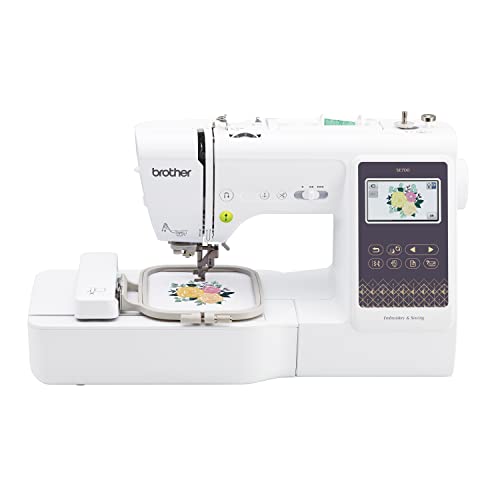
The Brother SE700 combines sewing and embroidery in one compact unit with wireless connectivity. It ships with 135 built-in embroidery designs, 103 built-in stitches, a 4″ x 4″ embroidery hoop area, and a 3.7″ touchscreen for design customization. This machine is ideal for beginners or hobbyists who want to fuse embroidery with standard sewing projects without buying separate units. It supports ARTSPIRA mobile app integration for pattern creation and wireless transfers.
Best for: Crafters starting embroidery who also want solid sewing capabilities in one machine. Why selected: It offers a broad design library and wireless transfer options, making it straightforward to expand projects without extra equipment. Caution: Hoop space is relatively modest, which can limit large embroidery motifs.
Brother Serger, 1034D

The Brother 1034D is a heavy-duty serger built on a metal frame, designed to handle multiple layers and heavy fabrics. It operates at up to 1,300 stitches per minute and includes a removable trim trap for cleaner finishes. The foot pedal controls speed for precise seam finishing. This model is best for sewers who need fast, reliable serging without embroidery capabilities.
Best for: Users prioritizing fast, durable serging on thick fabrics like denim. Why selected: The metal frame and high stitch rate support heavy workloads with consistent results. Caution: No built-in embroidery feature; you’ll need a separate embroidery machine for those designs.
SINGER X5004-HD Serger & Overlock

The SINGER X5004-HD presents a robust metal frame and a choice of 2–4 thread stitches, including six stitch types, making it versatile for finishing edges and creating professional seams. It emphasizes durability and smooth stitching with a larger cutting knife suited for thicker fabrics. This serger is well-suited for projects requiring sturdy finishes on heavier textiles.
Best for: Those who want durable, versatile serging with strong performance on thick fabrics. Why selected: The larger knife and six stitch types boost efficiency and finish quality. Caution: Primarily a serger; it does not offer built-in embroidery functions.
SewLaVie 360 Upgraded Serger Overlock
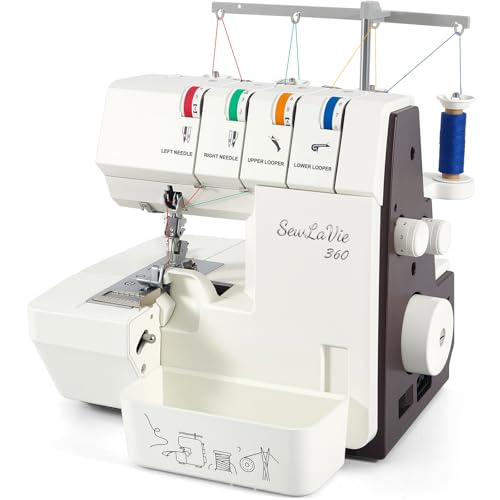
The SewLaVie 360 Upgraded Serger focuses on accessible threading with a wide-open threading area and a visual alignment guide, helping beginners set up quickly. It offers 2/3/4 thread capability, 12 built-in stitches, and a high-speed performance of 1,300 stitches per minute. Differential feed helps manage knits and delicate fabrics for professional edges.
Best for: Beginners or pros who want quick setup and reliable edge finishing. Why selected: Open threading reduces confusion and downtime. Caution: Might require some initial familiarization to maximize all stitch options.
FEIYUE FY505 Serger Overlock

The FEIYUE FY505 serger offers 2/3/4 thread capability with a durable metal frame and adjustable differential feed. It emphasizes reliable cutting precision with a high-durability blade. This model is suitable for users who want a sturdy, affordable serger that can handle varied thread thickness and fabric types.
Best for: Budget-conscious shoppers needing solid serging performance. Why selected: Metal construction and precise cutting make it a practical workhorse. Caution: It lacks integrated embroidery features, so combine with a separate embroidery machine if needed.
Buying Guide: Key Purchase Considerations
- What will you sew most often? If you need embroidery capabilities, prioritize machines with built-in embroidery designs and, ideally, wireless transfer options.
- Do you require a metal frame for durability? Metal frames typically translate to steadier operation on thicker fabrics and longer lifespans.
- Thread options matter. A 2/3/4-thread capability provides flexibility for finishes, rolled hems, and decorative edges.
- Open threading vs. standard threading: Open threading can simplify setup and troubleshooting, especially for beginners.
- Space and accessories: Larger embroidery hoops or extra feet may expand project types but consider whether your workspace supports them.
FAQ
- What is the difference between a serger and an embroidery machine? A serger finishes raw fabric edges with overlock stitches, while an embroidery machine creates decorative patterns on fabric, either standalone or in combination with sewing.
- Is a metal frame better for long-term use? Yes, metal frames generally offer greater stability and durability, especially on thick fabrics and heavy workloads.
- Should I buy a machine with built-in embroidery designs? If you plan frequent embroidery, built-in designs save time and provide immediate creative options; otherwise, a separate embroidery module can work.
- Do all these machines support 2/3/4-thread operation? Most sergers in this list offer 2/3/4-thread options, which cover common finishing and decorative needs.
- Is wireless transfer important for embroidery? For some users, wireless transfer via apps or software simplifies moving designs from a computer or phone to the machine.
- Can I use these sergers for thick fabrics like denim? Yes, many models here are designed to handle thicker fabrics, especially those with a metal frame and higher stitch-per-minute rates.