Best Heavy-Duty Sewing Machines for Strong, Reliable Stitches
Seeking a sewing machine built to handle thick fabrics and long projects? This guide highlights top heavy-duty models designed for durability and power. The featured machines are ideal for denim, canvas, leather, and layered quilts, with robust motors, sturdy frames, and practical features like automatic needle threading and drop-in bobbins. Choose based on your fabric types, speed needs, and accessory kits. The table below quickly compares the five best options for reliability, performance, and value.
| Product | Best For | Key Strength | Included Accessories |
|---|---|---|---|
| Brother ST371HD | General sewers and hobbyists | 37 stitches, heavy-duty build | 6 feet, needle set, manual |
| SINGER Heavy Duty 4411 | Projects with thicker fabrics | 60% more power motor | Accessories kit |
| Brother ST150HDH | Versatile home sewers | 50 stitches, LCD display | 9 feet, needles |
| SINGER Heavy Duty 6800C | Complex projects | 586 stitch options, LCD | Full accessory set |
| SINGER Heavy Duty 4452 | Budget-friendly heavy-duty | 1100 stitches/min | Accessory kit |
Brother ST371HD Sewing Machine
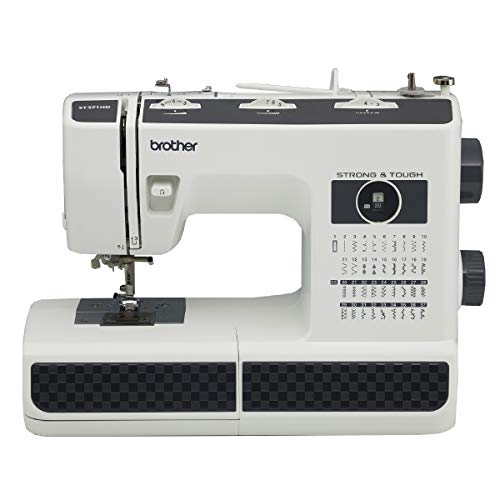
The Brother ST371HD is designed for heavy-duty use with 37 built-in stitches, including an auto-size buttonhole. It features an automatic needle threader and a jam-resistant drop-in top bobbin. This model ships with six sewing feet, a needle set, and manual, supporting versatile projects. Best for: hobbyists and home crafters who need reliable performance on mixed fabrics. Limitation: fewer advanced features like an LCD display compared to premium models.
SINGER Heavy Duty 4411 (Pink)

The SINGER 4411 in pink combines power with speed, delivering 60% more motor strength for thicker materials. It offers 11 built-in stitches and 69 stitch applications, making it versatile for basic to decorative sewing. Best for: crafters who value speed and a bold design. Limitation: lacks a wide stitch library found in higher-end machines.
Brother ST150HDH Sewing Machine

The ST150HDH offers 50 built-in stitches and an LCD display for easy preset selection. It includes 9 feet and heavy-weight needles for robust projects, along with an advanced needle threader and a jam-resistant top bobbin. Best for: users who value clear digit guidance and a broad stitch range. Limitation: mid-range feature set compared to premium computerized models.
SINGER Heavy Duty 6800C Computerized

The 6800C is a robust, feature-rich machine with 586 stitch applications and a full metal frame, designed for serious projects. It comes with a comprehensive accessory kit including multiple feet and guides, plus a 1-step buttonhole. Best for: serious hobbyists and small studios needing extensive stitch variety. Limitation: more complex to operate for beginners due to numerous options.
SINGER Heavy Duty 4452

The 4452 combines a strong motor with 32 stitches and 1100 stitches per minute for fast, efficient sewing. It includes a solid accessory kit to tackle basic to more challenging projects. Best for: budget-conscious buyers who still need reliable performance on sturdy fabrics. Limitation: fewer advanced options than higher-tier machines.
Buying Guide: Key Considerations For Heavy-Duty Machines
What features matter most when choosing a strong sewing machine? Look for motor power, metal frames, and the number of built-in stitches. A larger accessory kit helps with diverse projects. Consider ease of threading, top bobbin design, and availability of included feet. If you sew denim or leather, prioritize machines marketed as heavy-duty with higher stitching speed and thicker fabric handling.
What should you look for in a heavy-duty sewing machine?
- Motor strength and speed: Faster stitches improve productivity on thicker fabrics.
- Frame and construction: Metal frames often provide better durability and stability.
- Stitch variety: A mix of utility and decorative stitches supports more projects.
- Ease of use: Automatic needle threading and drop-in bobbins reduce setup time.
- Accessory kit: A wide selection of feet unlocks more techniques.
Which machine type fits different buyers?
- Beginner sewer: Look for strong basic models with clear displays and essential stitches.
- Craft enthusiast: A model with a large stitch library and adjustable presser foot pressure helps with textiles.
- Home pro: Prioritize speed, motor strength, and a metal frame for frequent, heavy projects.
- Budget buyer: Consider machines with robust performance but fewer features to save costs.
Maintenance tips for longevity
- Clean lint from feed dogs and bobbin area after use.
- Lubricate according to manual instructions to maintain smooth operation.
- Use the correct needle type and size for your fabric to prevent skipped stitches.
- Store in a dry, dust-free location to avoid rust or corrosion on metal parts.
FAQ
- What is a heavy-duty sewing machine best for? — It excels at sewing thick fabrics like denim and canvas with consistent speed and sturdy construction.
- Do heavy-duty machines require special needles? — Heavier fabrics often need stronger needles (e.g., 100/16 to 110/18 range) for best results.
- Is a larger stitch library important for beginners? — It can help with learning, but a focused set of essential stitches is usually enough to start.
- Are metal-frame machines superior to plastic-frame? — Generally, metal frames offer greater durability and stability for frequent projects.
- Should I buy an LCD display model? — LCD can simplify selecting stitches and settings, especially for complex projects.
- Is it okay to mix brands for accessories? — Most basic presser feet and bobbins fit standard machines, but verify compatibility with your model.