Best Small Cheese Making Machines for Home Cheesemaking Enthusiasts
Answering the question “which small cheese making machine is right for me?” this guide highlights compact, beginner-friendly options that fit kitchens of varying sizes. Top picks cover automated devices, traditional presses, and versatile kits suitable for both novices and experienced cheesemakers. The buyer will mostly be a hobbyist seeking quick, consistent results, a health-conscious cook wanting control over ingredients, or a small home chef exploring artisanal options.
Quick comparison table of selected products
| Product | Best For | Why It Stands Out | Limitations |
|---|---|---|---|
| Fromaggio Stainless Steel Smart Home Cheese Maker | Beginners and seasoned cooks | One-button operation, supports multiple cheese types, health-friendly ingredients | Higher upfront cost |
| Fromaggio Smart Home Cheese Maker – Copper | Health-conscious users and style-minded kitchens | Same features with copper aesthetic, easy cleanup | Requires space on counter |
| BIG Dutch Wooden Cheese Press | Traditional cheesemakers | High pressure, durable wooden build | Manual operation, longer process |
| Microwave Cheese Maker – Hyzone | Compact living spaces | Extremely compact, quick setups | Limited to certain cheese styles |
| Easy Cheesemaking Set – Country Trading Co. | Starter kit fans | Multiple molds and a recipe book | Requires separate draining steps |
Fromaggio Stainless Steel Smart Home Cheese Maker
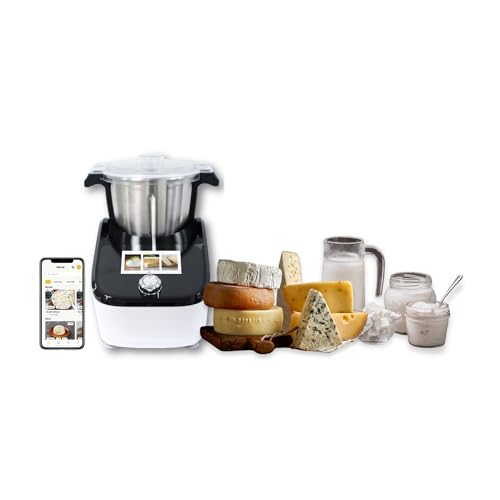
Best for: beginners who want a versatile, automated cheese maker and experienced cooks seeking consistent results with minimal fuss. This model promises soft and hard cheeses, including fresh mozzarella in about two hours, with a simple interface. It emphasizes control over ingredients, enabling health-conscious users to avoid preservatives and additives while enjoying live probiotics in some cheeses. It’s a strong value for households aiming to produce premium cheese at home, quickly.
Why selected: It combines broad cheese options with a user-friendly control system, making it a practical centerpiece for a home cheese project. The all-stainless design supports easy cleaning and durability, which is essential for frequent cheesemaking sessions.
Considerations: The upfront cost may be higher than more basic kits, and it requires counter space. If you primarily need quick, small batches, this model’s automation is a key advantage.
Fromaggio Smart Home Cheese Maker – Copper

Best for: health-minded cooks who value consistent results and a stylish kitchen look. The copper variant preserves the same core features as the stainless model, including the ability to craft a wide range of cheeses—from soft to aged varieties—while keeping ingredient quality under tight control. It suits households that want a visually striking appliance without sacrificing performance.
Why selected: The copper finish adds a premium aesthetic, while the core functionality remains robust and beginner-friendly. It’s a practical upgrade for those who enjoy both form and function in the kitchen.
Considerations: Copper surfaces require regular cleaning to maintain sheen and avoid fingerprints. Like the stainless version, it’s not a compact gadget; plan counter space accordingly.
BIG Dutch Wooden Cheese Press

Best for: traditional cheesemakers who value a hands-on, pressure-driven process. This wooden press is designed to apply up to 400 pounds of piston pressure, with a lever system that provides control and scalability for making semi-hard to hard cheeses. It’s a strong choice for those who enjoy the craft of pressing as part of the cheese-aging journey.
Why selected: The lever-driven design and durable construction let users experiment with different weights and mold configurations. It’s well suited for those who want to press larger cheese molds and practice classic cheesemaking techniques at home.
Considerations: It’s a larger, manual device that requires more space and time. It’s not ideal for quick single-cheese sessions, but it excels for larger blocks and aging projects.
Microwave Cheese Maker, DIY Cheese Maker

Best for: small kitchens or apartments needing ultra-compact cheese-making options. This microwave-based device uses a four-step process to produce cheese with minimal equipment. It is particularly suitable for beginners curious about quick results and experimenting with simple cheese varieties.
Why selected: Its extremely compact footprint makes it accessible for limited counter space. The step-by-step instructions lower the learning curve for first-time cheesemakers, aiding consistent outcomes in short sessions.
Considerations: It’s best for simple, small-batch cheeses and may lack the versatility of larger, multi-functional machines. It requires careful attention to timing and microwave power to avoid over- or under-cooking.
Grand Way Cheese Mold with a Follower and Cheesecloth

Best for: intermediate cheesemakers who want a complete, reusable kit for a range of cheese styles. This set includes a cheese mold with a follower and a washable cotton cheesecloth, ideal for making semi-hard to hard cheeses and for general cheese processing workflows.
Why selected: The kit supports multiple cheesemaking stages with a robust mold and cloth combination, enabling repeated use and consistent forms. It’s a practical addition to a home dairy setup for structured cheese projects.
Considerations: Mold sizes are fixed, so match with your intended cheese scale. Cleaning and maintenance of cloths are necessary to maintain hygiene.
Easy Cheesemaking Set – 5 Molds and Book

Best for: those starting from scratch who want a complete starter kit with practical recipes. The set includes five molds and a recipe book with cheese varieties like ricotta, paneer, goats cheese, and quark, plus a press basket system for draining.
Why selected: It provides a well-rounded foundation for beginners, offering both the tools and the knowledge needed to begin cheesemaking without hunting for separate components. The included book helps with step-by-step guidance.
Considerations: The kit emphasizes draining and shaping; some users may want additional aging or maturation equipment for advanced cheeses.
Buying Guide: Key Considerations For Small Cheese Making Machines
- Intended cheese styles: Are you aiming for fresh mozzarella, soft cheeses, or aged hard cheeses? Some machines excel at quick, soft varieties; others support pressing and aging processes.
- Automation vs. manual control: Do you prefer one-button operations or a hands-on approach with adjustable pressure and timing?
- Space and layout: Consider counter space, storage needs, and whether a compact microwave-based model suits your kitchen or you want a dedicated cheesemaking station.
- Materials and hygiene: Look for stainless steel or food-grade parts for durability and easy cleaning. Wood components require extra care to prevent residue buildup.
- Accessories and versatility: Molds, cloths, and recipe books extend capabilities. Reusable cloths and a good mold range help with multiple cheese styles.
- Maintenance: Some kits require more frequent washing, drying, and sanitizing—important for achieving consistent results and long-term usability.
Frequently Asked Questions
- What is the best beginner cheese making device? A versatile automated machine like the Fromaggio models is well-suited for beginners due to one-button operations and broad cheese options.
- Do you need special ingredients with these machines? Most allow control over ingredients; you can choose fresh dairy, avoid preservatives, and tailor cheeses to dietary needs.
- Can I make hard cheeses at home with these devices? Some devices enable aging or pressing through manual presses; for hard cheeses, a sturdy press and aging setup are beneficial.
- Is a microwave-based cheese maker safe? Yes, when following the provided instructions; these are compact and suitable for small spaces but best for simple cheeses.
- Are cheesecloths essential? Reusable cloths improve drainage and hygiene; many kits include them, but you can source additional high-quality cloths as needed.
- Which kit is best for a family starter? Starter kits with multiple molds and a recipe book provide broad options and a gentle learning curve for new makers.