Best Solar Powered Kitchen Appliances for Off-Grid Cooking
Answering the search for reliable solar powered kitchen solutions, this guide highlights five practical options for off-grid cooking and cooling. Each product is best for a different lifestyle need—camping, remote homes, or emergency preparedness. Readers will find clear why-to-pick reasoning and practical limits to help compare quickly.
| Product | Best For | Key Feature |
|---|---|---|
| SolCook All Season Solar Cooker | Campers and outdoor adventurers | Sun-powered cooking up to 12 hours of sunlight |
| Unique Appliances Off-Grid DC Refrigerator | Off-grid homes and cabins | Top freezer, retro design, solar powered |
| Teenyyou Solar Oven (2 Pack) | Lightweight travel cooks and group outings | Foldable, fits a 5-quart Dutch oven |
| HIOSUNSTOVE Solar Stove | Sun-based baking and roasting outdoors | Up to 550°F; no fuel or smoke |
| Kaibrite All Season Solar Cooker with Casters | Portable solar cooking with adjustable heat | High efficiency to 800–1000°C |
SolCook All Season Solar Cooker
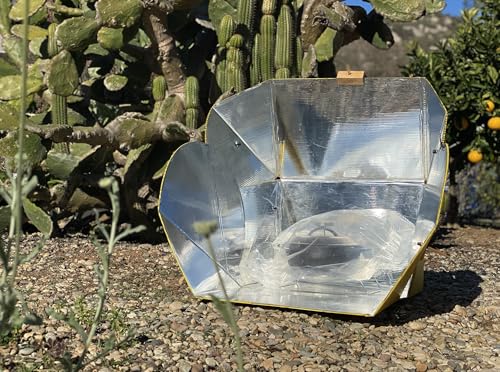
The SolCook solar cooker is designed for outdoor use, leveraging sunlight to prepare meals without fuel, gas, or electricity. It is described as lightweight and portable, suitable for camping, hiking, and emergency situations. The device emphasizes eco-friendliness and efficiency, aiming to maximize sun exposure for cooking over extended sunlight periods.
Who it’s best for: campers and solo travelers who need a compact, fuel-free way to heat meals during sunny days. Why selected: its emphasis on portability and solar efficiency makes it ideal for remote locations where carrying traditional fuel isn’t practical. Caution: performance depends on consistent sun; cloudy days reduce effectiveness.
Unique Appliances Off-Grid DC Refrigerator

This retro-styled refrigerator is designed for off-grid living with solar energy powering its operation. It includes a top freezer and adjustable shelves, providing organized storage for perishables in remote locations. The thermostat and compact DC cooling system support reliable operation where traditional grids don’t reach.
Who it’s best for: households or cabins seeking a dedicated solar-powered fridge with freezer storage. Why selected: its stylish yet functional design mirrors practical off-grid needs and preserves food without reliance on fossil fuels. Limitation: cooling performance may vary with solar input and insulation conditions in extreme heat.
Teenyyou Portable Foldable Solar Oven

This 2-pack set provides foldable solar ovens for sun-powered cooking and food reheating. They are designed for easy storage and portability, with a cooking temperature that can reach up to 212°F in warm conditions. It fits a 5-quart Dutch oven, making it practical for group meals outdoors.
Who it’s best for: groups or families seeking lightweight, packable solar cooking options. Why selected: the dual-pack option increases cooking capacity in outdoor settings. Caution: performance is weather-dependent, and heat can vary with sunlight intensity.
HIOSUNSTOVE Solar Stove

This solar stove operates entirely on sunlight, with no electricity or fuel, and claims to reach high temperatures for quick meals. It uses safe materials such as borosilicate glass and 304 stainless steel, with a design aimed at minimizing emissions and smoke. Temperature can reach up to 550°F on sunny days.
Who it’s best for: outdoor cooks who want quick solar baking or roasting without smoke. Why selected: high-temperature capability supports a wide range of dishes. Caution: performance depends on sun availability and angle of sunlight.
Kaibrite All Season Solar Cooker with Casters

This portable solar oven features casters and a design aimed at higher efficiency, delivering heat to a level described as 800–1000°C capability. The cooker emphasizes adjustability and ease of use—adjust the elevation to concentrate or disperse sunlight onto the cooking vessel. It is designed for versatile outdoor cooking and steaming needs.
Who it’s best for: campers and outdoor cooks who require high heat and mobility. Why selected: the caster design and heat concentration offer flexibility for different cooking tasks. Limitation: extremely high heat potential depends on optimal sun exposure and wind conditions.
Buying Guide: Solar Powered Kitchen Appliances
- What will you cook? Consider whether you need boiling, baking, refrigeration, or general heating. Choose appliances with heat ranges or capabilities that match your intended meals.
- How portable must it be? If you’re backpacking, prioritize foldable, lightweight options. For home off-grid use, larger units with casters or built-in storage may be preferable.
- Sun exposure and climate matters. In consistently sunny regions, solar cookers shine. In areas with frequent clouds, plan for backup methods or products with higher efficiency.
- Energy independence vs. convenience. Solar cookers reduce fuel needs but depend on daylight. Refrigeration needs may require robust insulation and battery support for reliability.
- Materials and safety. Look for food-safe components, high-temperature resistance, and certified materials that meet the intended use (indoor/outdoor) and local safety standards.
Frequently Asked Questions
- Do solar powered kitchen appliances work indoors? Some models are designed for outdoor use only due to the need for direct sunlight. Check product specs for indoor compatibility.
- Can solar cookers reach high temperatures? Yes, many models reach high temperatures under strong sunlight, enabling baking, boiling, and roasting. Temperature varies with sun intensity and design.
- Are solar refrigerators practical for everyday use? Solar refrigerators work in off-grid or sunny locations with appropriate insulation and battery support. Performance depends on solar input and temperature conditions.
- How portable are solar cooking units? Many options are foldable, lightweight, or on casters for easy transport, suitable for camping or emergency kits.
- Do these appliances require maintenance? Routine checks on seals, insulation, and solar panels help maintain efficiency. Follow manufacturer guidelines for cleaning and storage.
- What should I consider when choosing a solar cooker? Consider heat range, storage needs, portability, and weather dependency to match your typical usage scenarios.