Best Standard Sewing Machine Models for Everyday Crafters and Hobbyists
Answers for shoppers seeking reliable, versatile sewing machines in a standard range. This guide highlights five solid options and explains who each is best for, plus practical buying tips. Whether you’re tackling lightweight repairs, quilting, or beginner projects, you’ll find clear comparisons to help choose confidently. The following table summarizes key points for quick reference.
| Product | Best For | Why It Stands Out | Limitations |
|---|---|---|---|
| Brother FB1757X Mechanical | Beginner to intermediate projects | Simple controls, 17 stitches, robust basic features | Non-computerized; fewer stitches than top-end models |
| Brother CS5055 Computerized | Varied projects with convenience | 60 built-in stitches, auto needle threader, 7 presser feet | Higher price than basic models |
| SINGER Heavy Duty 4452 | Thick fabrics and fast sewing | 1100 stitches per minute, 32 built-in stitches, strong motor | Heavier and louder than compact models |
| Brother XR9550 | Quilting and extensive stitchwork | 165 stitches, wide table, computerized precision | Higher upfront cost |
| KPCB Tech Beginner Full Set | Learning kits and starter projects | Full beginner set with fabric bundles and tutorials | Compact, not ideal for heavy-duty work |
Brother FB1757X Mechanical Sewing Machine

The Brother FB1757X is a mechanical model featuring 17 built-in stitches and a 4-step buttonhole, with a straightforward reverse function. Best for beginners or crafters who prefer simple, reliable operation without computer features. The mechanical design typically means fewer setup options but consistent performance on a wide range of fabrics.
Who it’s best for: new sewers building foundational skills or hobbyists who want a dependable machine with basic stitch choices. Why selected: essential stitches, solid construction, and a user-friendly layout support quick learning and everyday projects.
Caution: Limited decorative stitches relative to computerized peers; may require manual adjustments for specialty sewing.
Brother CS5055 Computerized Sewing Machine

The CS5055 offers 60 built-in stitches, a clear LCD display, and seven included presser feet. It combines ease of use with more stitch variety and automation than basic models. Automatic needle threading and a drop-in bobbin simplify setup, making it a strong choice for mixed-media projects and beginner-to-intermediate users seeking convenience.
Who it’s best for: sewists who want a wide stitch catalog and smart features without stepping into high-end hobbyist machines. Why selected: balanced performance, helpful accessories, and a straightforward interface.
Caution: The abundance of stitches can be overwhelming if you only need basic options; space for a larger work area may feel limited in smaller studios.
SINGER Heavy Duty 4452

The SINGER 4452 is a robust choice with a stronger motor designed for thicker fabrics, delivering up to 1100 stitches per minute. It includes 32 built-in stitches plus a one-step buttonhole, making it versatile for garment construction and home decor. A comprehensive accessory kit supports a range of projects, from zippers to quilting basics.
Who it’s best for: crafters who frequently sew denser materials like denim or leather and want faster throughput. Why selected: powerful performance paired with practical stitch options and a complete accessory bundle.
Caution: Heavier machine footprint and louder operation may be less ideal for small spaces or quiet environments.
Brother XR9550 Sewing And Quilting Machine

The XR9550 is a computerized model geared toward sewing and quilting with 165 built-in stitches, including 55 alphanumeric options and 8 auto-size buttonhole styles. Features such as a broad LCD display, a wide table, and a protective hard cover support advanced projects and organized workspace. The included feet and accessories broaden versatility for quilting, garment creation, and decorative stitching.
Who it’s best for: quilters and versatile sewists who want a broad stitch repertoire and stable, feature-rich performance. Why selected: extensive stitch collection, helpful workspace accessories, and reliability in repetitive quilting tasks.
Caution: The software-like features and larger footprint can be more complex for true beginners; be prepared for a longer learning curve.
KPCB Tech Beginner Full Set
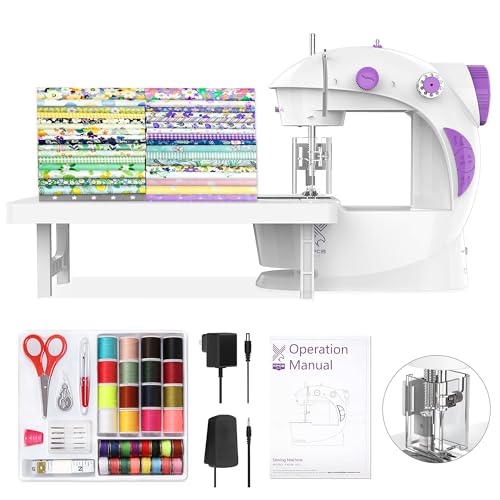
The KPCB Tech Full Set is designed for beginners, featuring a compact sewing machine kit with finger guard and included fabric bundles plus tutorial videos. It emphasizes safety and guided learning, making it a practical choice for those just starting out or teaching environments.
Who it’s best for: absolute beginners and students who benefit from structured learning aids. Why selected: bundled fabrics and videos provide a clear path from practice to real projects.
Caution: May be underpowered for heavy-duty work; best used for light to medium-weight fabrics and practice projects.
Buying Guide
What to consider when choosing a standard sewing machine
- Purpose and projects: Identify whether you’ll focus on garments, quilting, crafts, or repairs. Choose a model with appropriate stitch options and a stable work area (wide table helps for quilting).
- Mechanical vs computerized: Mechanical machines are typically simpler and more durable for beginners, while computerized models offer a broader stitch library and automated features.
- Stitch variety and auto features: Decide if you need auto needle threader, auto-size buttonholes, or a drop-in bobbin. These features save time and reduce setup frustration.
- Speed and power: For thick fabrics or multiple layers, a higher-powered motor and faster stitch speed can improve efficiency.
- Accessories and compatibility: A complete accessory kit (feet, needles, bobbins) adds value. Ensure the machine is compatible with common needles and presser feet.
- Space and portability: Consider machine footprint and weight if you have a small workspace or plan to move the machine frequently.
- Learning resources: Beginner sets with tutorials and fabric bundles can accelerate skill development and confidence.
How to compare models quickly
- Make a quick price-to-feature comparison table focusing on stitches, motor power, and included accessories.
- Prioritize machines with a wide work surface for quilting and larger projects.
- Check for warranty and service availability in your region to reduce downtime.
Maintenance and care tips
- Regularly oil mechanical parts as recommended by the manufacturer and clean lint from the feed dogs to prevent skipped stitches.
- Use quality needles suited to fabric weight to avoid fabric snags and thread breaks.
- Store machines in a protective cover to shield from dust and humidity.
Frequently asked questions
What is the best beginner sewing machine?
Machines with straightforward manual controls and a modest number of built-in stitches are ideal for beginners, such as basic mechanical models or entry-level computerized ones.
Is a wide table important for quilting?
Yes. A wider table provides more room for handling larger fabric pieces and quilts, improving accuracy and comfort.
Should I buy a machine with many stitches?
Only if you plan to use them. For beginners, prioritize reliability and essential stitches; extra stitches are helpful for decorative projects later.
Do computerized machines wear out faster than mechanical ones?
Both can last with proper maintenance. Computerized models may require more routine servicing for electronic components.
Can these machines sew leather or denim?
Some models with stronger motors can handle thick fabrics; check the motor power, needle size, and presser foot compatibility for heavy-duty work.
Are included accessories important?
Yes. A broad accessory kit helps cover common tasks like zippers, buttons, and quilting, reducing the need for additional purchases.