Best Stitching Machines for Shirts: Top Picks for DIY and Small Shops
Looking for the right stitching machine for shirts? This guide highlights five practical options tailored for beginners, hobbyists, and small business owners focusing on shirt projects. Each pick balances ease of use, portability, and capability to handle lightweight to medium fabrics commonly used in shirts. Ideal buyers include beginners sewing simple hems, crafters making custom tees, and small shops offering alterations.
| Product | Best For | |
|---|---|---|
| Smartstitch S-1001 | Small studios and serious hobbyists | Multi-needle embroidery with automation |
| Brother SE700 | All-in-one embroidery and sewing projects | Wireless transfer and wide feature set |
| TYGVM Portable Cordless | Travel, quick fixes, and on-the-go sewing | Two modes, battery-powered portability |
| Srynriwim Handheld | Beginner-friendly, light DIY tasks | Compact, easy threading, versatile fabrics |
| TIANGUOHE 110V Blind Stitch | Invisible hems and professional finishes | Powerful blind stitch with 1200 SPM |
Smartstitch S-1001 Upgraded Embroidery Machine

The S-1001 is an upgraded commercial embroidery machine designed for compact spaces. It features a precise operating system, auto thread trimming, auto color changing, a self-lubrication system, thread break detection, laser embroidery positioning, and a user-friendly learning curve with access to Smartstitch’s community and training. Best for serious hobbyists and small studios that want embroidery capabilities on shirts, hats, and flat garments. Limitation: high feature density may require a learning phase for full utilization.
Brother SE700 Sewing And Embroidery Machine
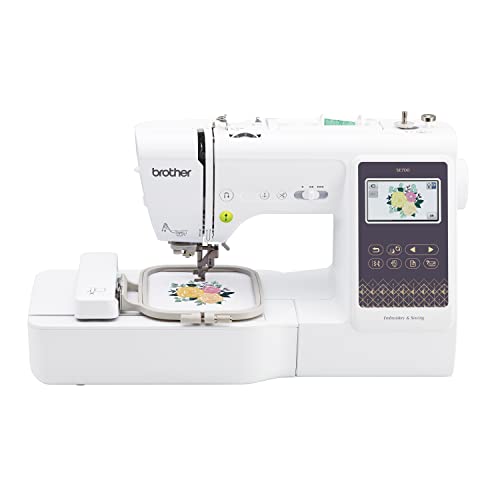
The SE700 combines sewing and embroidery with 135 built-in embroidery designs and 103 stitches. It supports wireless file transfer via Design Database Transfer and the ARTSPIRA Mobile App for pattern creation and wireless transfers. This model is best for crafters who want a seamless blend of apparel sewing and embroidery, especially for shirt embellishments and personalized seams. Caution: wireless setup may require a stable network and software updates for optimal performance.
Portable Cordless Handheld Sewing Machine, TYGV M
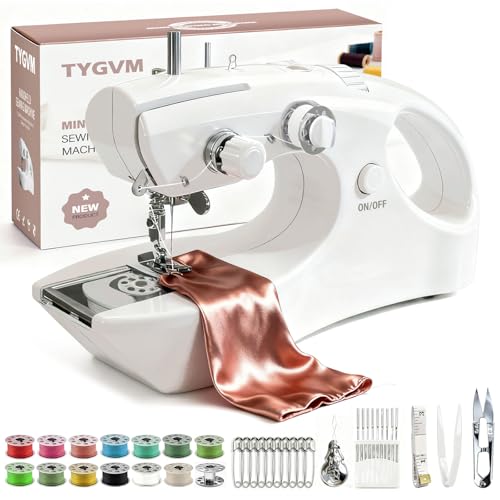
This handheld model is cordless and battery-powered, designed for quick repairs and on-the-go sewing. It offers two modes and supports materials up to 3.5mm thickness, making it suitable for hemming shirts, patchwork, and minor alterations. Best for travelers and busy individuals who need a portable solution. Limitation: may not replace a full-size machine for complex garment construction.
Handheld Sewing Machine For Beginners, Srynriwim

The Srynriwim handheld machine is explicitly marketed for beginners, with upgraded ABS alloy construction and a design focused on easy operation. It is suitable for quick shirt repairs, hems, and minor alterations at home or while traveling. Best for beginners seeking a simple, low-cost entry point. Limitation: may lack features required for larger or more complex shirt projects.
TIANGUOHE 110V Blind Stitch Sewing Machine

This 110V machine specializes in invisible blind stitching, ideal for cuffs, hems, sleeves, and garments where a near-invisible seam is desirable. It offers a stitching speed up to 1200 SPM and a robust 24.2-pound frame. Best for professional finishes on shirt hems and cuffs. Limitation: primarily focused on blind stitch tasks; may not cover other stitch types or embroidery.
Buying Guide: How To Choose The Right Shirt Stitching Machine
What kind of shirt work do you primarily perform? If you need versatility for hems and light embellishments, consider machines with multiple stitches and a reliable feed system. For embroidery-heavy shirt projects, prioritize automatic thread handling and computer connectivity. If you travel or work in various locations, portability and power options (cordless or lightweight designs) should guide your choice.
Portability vs. power: Handheld and portable models excel at quick fixes and on-the-go repairs but may not replace a full-size machine for complex shirt construction. For a home studio or small shop focusing on shirts with hems, cuffs, and simple decorative stitches, a compact machine with strong stitching capability and a straightforward setup is ideal. If you plan to offer embroidery on shirts, a model with built-in designs or easy software connectivity will save time and expand customization options.
Connectivity and software: Wireless file transfer and mobile apps can streamline workflow for designers who create custom shirt patterns. When evaluating models, confirm compatibility with your computer or mobile device ecosystem and availability of training materials or user communities. Reliability, maintenance, and after-sales support are also essential factors for long-term use.
Fabric handling and speed: Look for a machine that handles common shirt fabrics such as cotton, cotton blends, and light wool with steady stitch quality. The ability to adjust stitch length, tension, and presser foot height is useful for consistent hems and topstitching. A higher stitch-per-minute (SPM) rating is beneficial for busy production without sacrificing accuracy.
Budget and future growth: Start with a model that satisfies current needs but leaves room for expanding capabilities, such as adding embroidery modules or upgrading to more features as demand grows. Consider warranty terms and access to replacement parts and service.
Frequently Asked Questions
- What is the best stitching machine for shirt hems?
- Do I need embroidery features for shirts?
- Are handheld machines sufficient for shirt repairs?
- What should I consider when buying for a home studio?
- Is wireless connectivity essential for shirt projects?
- How important is speed (SPM) for shirt work?
Machines with strong feed dogs, adjustable stitch length, and reliable zipper and hem options are ideal for hems. Look for models that handle fabrics like cotton and lightweight blends with consistent stitch quality.
If you plan to customize shirts with monograms or designs, an embroidery-capable machine or a combined sewing-embroidery model is beneficial. Wireless transfer and pattern libraries can save time.
Handheld machines are great for quick repairs and on-the-go fixes but are not a full replacement for a standard sewing machine when doing complex shirt construction or multiple-layer stitching.
Consider space, power needs, noise level, fabric range, and whether you prioritize embroidery, hemming, or general sewing. Training resources and customer support are important for beginners.
Not essential, but it can streamline workflows for pattern transfers and design creation. If you work offline, ensure the machine supports USB or direct file transfer.
Higher SPM helps with faster production. For hobby projects, mid-range speeds are usually sufficient; for small shops, faster models can improve throughput without compromising quality.