Best Wood Stoves for Small Cabins: Efficient Warmth and Easy Setup
Choosing the right wood stove for a small cabin involves balancing heat output, installation ease, and reliability. The options below highlight stoves that perform well in limited spaces, provide steady warmth, and fit common cabin layouts. Each product is evaluated on build quality, burn efficiency, and practical features for compact living spaces.
Summary of chosen products:
| Product | Brand | Key Benefit | Approximate Heat Area |
|---|---|---|---|
| Cleveland Iron Works Erie Wood Stove | Cleveland Iron Works | Heats up to 900 sq. ft. | ~900 sq. ft. |
| Guide Gear Outdoor Wood Burning Stove | Guide Gear | Outdoor versatility and portability | Outdoor/hearth use |
| YRenZ Portable Wood Stove | YRenZ | Large firebox, high airtightness | Outdoor tents”,”cabins |
| AVOFOREST Hot Tent Stove | AVOFOREST | 7 chimney sections for flexible height | Camping/cabins |
| Unho Hot Tent Stove | unho | Durable stainless design, multiple pipes | Outdoor use |
Cleveland Iron Works Erie Wood Stove

The Cleveland Iron Works Erie Wood Stove is designed for spaces up to about 900 square feet, making it a strong option for small cabins with open living areas. It features a compact profile with a relatively short maximum log length of 18 inches, allowing installation in tighter floor plans. A straightforward burn system and a standard heat output target help maintain steady warmth without complex operation. The product is backed by a one-year warranty, offering basic protection for first-time buyers looking to outfit a compact retreat.
Key considerations for this model include heat coverage suitable for mid-sized small cabins, a manageable log length for convenient fueling, and a concise warranty period. It’s well-suited where space is at a premium but a reliable, consistent heat source is required. For cabins with limited clearance near walls, verify clearance specs and chimney routing during planning.
Guide Gear Outdoor Wood Burning Stove
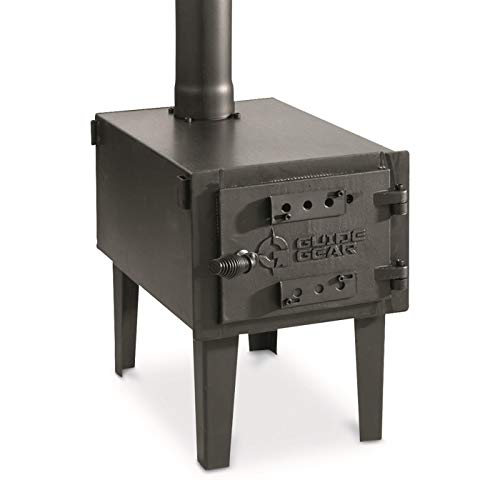
The Guide Gear Outdoor Wood Burning Stove is conceived for outdoor and backyard heating, with a galvanized steel fire box and a front cast iron door. While primarily advertised for outdoor use, its rugged construction and heat output capabilities make it a practical option for small cabin setups that include a sheltered exterior hearth or a well-ventilated interior space. The durable finish resists char and corrosion, and the design supports easy fuel loading for extended burn times.
Consider this model when you need a robust, low-maintenance heat source for a compact cabin footprint paired with a simple, durable build. It’s especially suitable for cabin layouts that can support an exterior or semi-open heating zone, where the stove can be placed with proper venting and weatherproofing. Assess the available space around the firebox and ensure a compliant chimney or vent path is achievable.
YRenZ Portable Wood Stove

The YRenZ compact tent stove emphasizes high airtightness and a large firebox to extend burn time between refuels. Its portable design makes it suitable for small cabin cabins with a portable add-on space or for use in tent rooms adjacent to the cabin. The stainless steel or heavy-duty steel construction lends durability in cold-weather climates, while the large firebox improves heat resilience in chilly evenings.
This option is particularly relevant for cabins that require flexible placement or that frequently experience seasonal occupancy changes. Check installation requirements for your cabin’s ventilation and ensure the stove’s footprint fits without impeding movement or safety clearances. The emphasis on airtightness helps optimize fuel efficiency in smaller, enclosed spaces.
AVOFOREST Hot Tent Stove

AVOFOREST offers a hot tent stove with a modular chimney system, allowing flexible height using seven 12-inch sections. This design supports varying cabin layouts and outdoor space heating needs, plus a glass window for monitoring the flame. Stainless components contribute to durability and ease of cleaning, while the modular chimney helps tailor exhaust routing to cabin ceilings or exterior venting. It is well-suited for cabins that require a stove with adaptable venting in mixed indoor/outdoor setups.
Potential considerations include ensuring a robust installation plan for the multiple chimney sections and confirming that the stove’s weight and footprint align with cabin floor loading and fan-assisted distribution in smaller rooms. The model’s emphasis on visibility and controllability can aid in maintaining a comfortable climate in variable weather conditions.
Unho Hot Tent Stove

The Unho portable stove emphasizes durable stainless steel construction and a 7-pipe chimney system for outdoor heating. It’s designed to withstand rugged use in cold environments and to provide steady warmth for gatherings in small cabins or outdoor spaces adjacent to a cabin. The product notes indicate a balance between portability and heat output, making it suitable for cabins with flexible layouts that may require occasional relocation of the stove or venting components.
When considering this model, evaluate how often you’ll relocate the stove and ensure that the chimney configuration aligns with your cabin’s exterior venting options. Stability and proper ventilation are essential for safe operation in small, enclosed spaces.
Buying Guide: Key Considerations For Small Cabin Wood Stoves
- Heat output versus space: For small cabins, prioritize models that deliver sufficient warmth with a compact footprint. Look for stoves rated for 500–900 sq ft, depending on your cabin size and insulation.
- Fuel efficiency: Prioritize air-tight designs and good insulation to maximize burn time per load. Airtight seals and controllable dampers help optimize efficiency.
- Ventilation and clearance: Determine required clearances to walls, ceilings, and nearby furniture. Plan chimney routing to minimize heat loss and ensure safe operation.
- Installation and portability: If you need flexible layouts, consider stoves with manageable weight and portable features. For stationary cabins, ensure robust venting and durable construction.
- Durability and materials: Cast iron, steel, and stainless components offer varying levels of heat retention and rust resistance. Choose materials suited to your climate and maintenance preferences.
- Maintenance: Access to the firebox, ash pan, and door seals affects long-term usability. Look for models with easy ash disposal and cleanable surfaces.
- Safety features: Look for spark arrestors, heat shields, and proper venting components. Install smoke and carbon monoxide detectors as a standard safety measure.
- Accessories and compatibility: Some stoves offer compatible rock boxes, water kettles, or steam features. Consider whether these options align with your cabin routines.