Best Nut Butter Blenders for Smooth, Creamy Spreads and More
If you’re shopping for a blender specifically to make smooth, evenly emulsified nut butters, you want a model with a powerful motor, durable blades, and an appropriate jar or cup size. The top options here are chosen for strong nut-butter performance, controlled blending, and practical versatility for snacks, dips, and spreads. This guide highlights the best picks for different needs—home cooks, batch makers, and those who want to blend wet and dry ingredients in one system. The summary table below helps you compare key capabilities at a glance.
| Product | Best For | ||
|---|---|---|---|
| Ninja Kitchen System BL770 | Large batches and diverse tasks | 1500W | XL 72-oz pitcher; 8-cup bowl; 2x 16-oz to-go cups |
| H-Duka 1800W | Ultra-smooth nut butters and wet/dry blending | 1800W | 70-oz pitcher; 20-oz grinder |
| BLACK+DECKER PowerCrush | Compact, affordable daily blending | ? | 6-cup glass jar |
| COZII Professional Blender 2000W | Versatile high-performance, multi-use | 2000W | Noted large capacity pitcher |
| Ninja SS151 TWISTi | Thick blends and smooth nut butters | 1600W | 34-oz pitcher; 2 to-go cups |
Ninja Kitchen System BL770: All-In-One Power for Nut Butter

The Ninja BL770 combines blending and food processing in one system. It uses a powerful 1500W motor to crush ice, blend frozen fruit, and power through tough ingredients, aided by Total Crushing Blades. This model suits households that want to switch between smoothies, sauces, doughs, and nut butter in a single machine. Best for: families and batch cooks who need versatility and a large-capacity pitcher for entertaining.
Why selected: high power, integrated blender and processor, and a large 72-oz pitcher support thick nut butters and multi-task meals. Caution: keep an eye on the 64-oz max liquid capacity for very thick pastes to avoid overflow in busy blends.
H-Duka 1800W Blender: Nut Butter Ready

The H-Duka blender delivers an ultra-powerful 1800W motor with speeds up to 28,000 RPM and a 3D blade array designed for smooth nut butters, smoothies, and frozen desserts. It includes a large 70-oz pitcher and a separate 20-oz grinder, making it convenient for processing nuts and seeds separately if needed. Best for: users who want a high-performance system capable of wet and dry grinding. Caution: heavy usage may generate noticeable noise; consider a location with sound dampening if needed.
BLACK+DECKER PowerCrush: Affordable Daily Blender
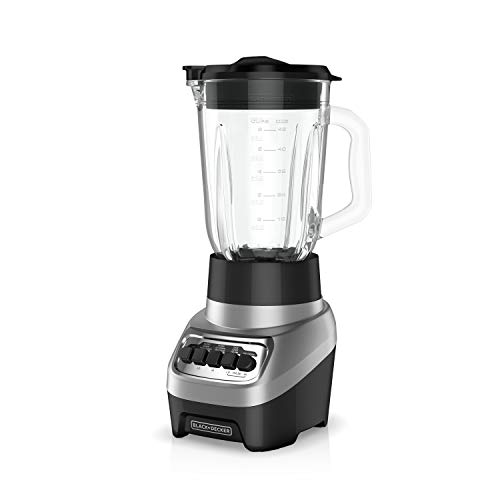
This model offers 4-tip QuadPro blades and four speeds, packaged in a sturdy 6-cup glass jar. It’s a practical choice for everyday blends, including nut butters when you want a straightforward, budget-friendly option. Best for: budget-conscious buyers who still want reliable performance for simple nut butter blends. Caution: the compact 6-cup jar may limit batch size for thicker pastes; you might need to stop and scrape frequently for even results.
COZII Professional Blender 2000W: Power and Precision

The COZII blender offers a 2000W motor with multiple preset programs and an 8-speed range. It’s designed for both wet and dry blending, including nut butter, dips, sauces, and smoothies. Best for: cooks who want a high-end, all-purpose blender with smart presets to optimize texture. Caution: high power may require careful loading to avoid splatter when blending dense pastes; load gradually and use pulse modes to control texture.
Ninja SS151 TWISTi: Smooth, Thick Nut Butters

The Ninja SS151 TWISTi features a 1600W peak power with built-in Twist Tamper and Hybrid-Edge Blades. The tamper helps push ingredients toward the blades for thick, even results, reducing need for manual stirring. Best for: users who routinely make chunky or thick nut butters and want consistent texture with minimal stopping. Caution: this model relies on a speed and blade design; very large batches may still require portioning for even results.
Buying Guide: Key Purchase Considerations
- Power and blades: For nut butter, prioritize high wattage (typically 1500W+), robust blades (stainless steel), and the ability to handle dry ingredients if you plan to grind nuts or seeds.
- Jar or pitcher capacity: Choose a size that matches your typical batch. Larger pitchers simplify making nut butter in bulk, while smaller jars work well for single servings.
- Controls and presets: Look for adjustable speeds and pulse modes. Smart presets can help achieve a smooth, evenly textured butter without over-processing.
- Durability and noise: Dense nut butters can strain motors. Seek models with reinforced bases and noise-reduction features if you’re blending early in the morning.
- Versatility: If you want to blend dips, sauces, smoothies, and soups, a multi-attachment system or a separate grinder can expand capability without extra appliances.
- Cleaning: Dishwasher-safe parts save time. Easy-to-clean blades and jars reduce maintenance time after making nut butter.
Frequently Asked Questions
- What blender is best for making nut butter? Look for models with high-powered motors (1500W+), strong blades, and the ability to process dry nuts to a smooth paste. Some models include a dedicated grinder cup for nuts and seeds.
- Can I use any blender for nut butter? While many blenders can make nut butter, high-powered models with sturdy blades and appropriate jar volumes yield creamier results and reduce overheating during longer blends.
- Do I need a separate grinder for nuts? A separate grinder cup is convenient for dry grinding tasks. If your blender includes a dry-grinding option, it can replace a dedicated grinder for some uses.
- How do I prevent overheating when making nut butter? Blend in short bursts with pauses, use pulse modes, and avoid overfilling. Let the motor rest between long blending sessions to extend its life.
- Are large-capacity blenders worth it for nut butter? Yes, for families or batch prep; they reduce the number of batches and can handle larger quantities for sharing or meal prep.
- How should I clean after making nut butter? Disassemble parts and wash promptly. A quick rinse followed by a thorough wash helps prevent oil buildup and preserves blade sharpness.