Best Safe Cooking Appliances for Seniors: Easy, Low-Effort Kitchen Tools
When choosing cooking appliances for seniors, prioritize safety, simplicity, and ease of use. This guide highlights five reliable options that support nutrient-rich meals, reduce strain, and minimize daily kitchen risks. Each product is selected for clear operation, stable design, and practical features that help elderly cooks stay independent in the kitchen. The buyer types most likely to benefit are caregivers seeking straightforward helpers and seniors who want effortless meal prep without compromising health.
| Product | Best For | Key Benefit |
|---|---|---|
| OVENTE 2-Tier Food Steamer | Vegetables, seafood, small meals | Healthy, oil-free steaming with two tiers |
| Presto Electric Skillet | All-in-one meals | Versatile, nonstick, easy cleanup |
| Harnyles Electric Can Opener | Low hand strength users | Safe, smooth-edge opening with magnetic lid |
| Eggssentials Egg Poacher | Egg breakfasts | Even heat, safe materials, simple use |
| Fully Automatic Roti Maker | Flatbreads lovers | One-touch operation, quick dough prep |
OVENTE 2-Tier Electric Food Steamer
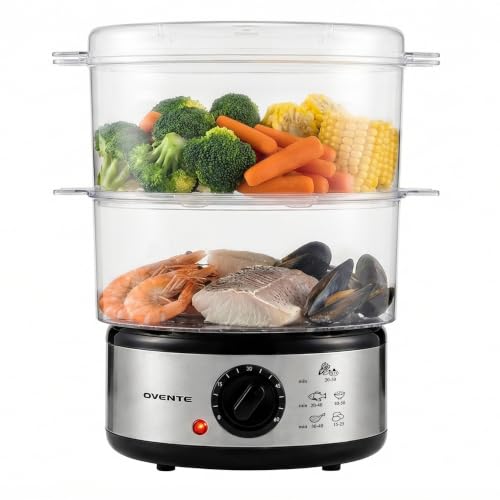
This steamer uses 400 watts to deliver fast steaming while preserving vitamins, texture, and natural flavors. The dual-tiers allow steaming vegetables, fish, and other proteins simultaneously, making it ideal for small to medium meals. It is best for seniors who want nutrient-rich meals with minimal oil and straightforward operation.
Who it’s best for: seniors cooking quick, healthy meals for one or two, or caregivers planning batch meals. Why selected: simple timer with auto-off and a compact, safe design reduces supervision needs in the kitchen. Caution: maximum fill is 500 ml per tier, so plan portions to avoid overfilling.
Presto 07117 12″ Electric Skillet

This all-in-one skillet handles roasts, fries, stews, and casseroles with a durable nonstick surface for easy cleaning. The tempered glass lid lets a caregiver monitor progress without lifting lids. It’s best for those who want a single appliance that covers multiple meals with minimal fuss.
Who it’s best for: seniors seeking versatile cookware without multiple pots and pans. Why selected: broad cooking functions plus easy-clean surfaces reduce effort and time spent in the kitchen. Caution: large size may require a stable surface and careful handling to avoid spills.
Electric Can Opener Kitchen Gadget

This can opener provides a smooth, side-cut, no-touch operation with a magnetic lid release, reducing contact with food and sharp edges. Its one-touch button and ergonomic design make it easier for seniors with limited hand strength. Best for daily can-opening tasks with safety in mind.
Who it’s best for: seniors needing safer, effortless can opening. Why selected: reduces risk of cuts and spills and minimizes manual effort. Caution: some can shapes or sizes may require steadier handling for best results.
Eggssentials Egg Poacher

This poacher uses a sturdy stainless steel body with a heat-diffusing base for even cooking. A tempered glass lid with a cool-handled knob helps monitor progress. The silicone components remain food-safe and BPA-free for daily breakfast or brunch routines.
Who it’s best for: seniors who enjoy perfect poached eggs with minimal supervision. Why selected: combines reliable heat distribution with safety features. Caution: fit and lid compatibility should be checked with existing cookware to ensure a secure seal.
Fully Automatic Roti Maker

This device kneads and cooks 20 flatbreads in about two minutes, with adjustable thickness and roast levels. It offers one-touch operation and dishwasher-safe parts for easy cleanup. Best for households that regularly prepare flatbreads with consistent results.
Who it’s best for: seniors who enjoy fresh flatbreads with minimal manual effort. Why selected: streamlines bread prep, reducing kneading and rolling strain. Caution: machine footprint is larger; ensure adequate counter space and access to outlets.
Buying Guide: Practical Considerations For Safe, Easy Cooking
What safety features matter most?
- Automatic shut-off and timer controls prevent overcooking and reduce monitoring needs.
- Cool-touch handles and non-slip bases lower burn and spill risks.
- Smooth-edge designs and side-cut mechanisms minimize contact with sharp surfaces.
How do you choose based on meal style?
- Steaming is ideal for vegetables and proteins, preserving nutrients with minimal added fats.
- One-pot or all-in-one appliances reduce the number of steps and cleanup tasks.
- Specialty tools like poachers or can openers can simplify breakfast or daily routines.
What maintenance tips help longevity?
- Follow cleaning guidelines to preserve nonstick surfaces and seals.
- Check lids, handles, and safety features regularly for wear or looseness.
- Store appliances on stable surfaces away from moisture and heat sources.
How to match products to independence goals?
For independent living, prioritize devices with one-touch operation, minimal assembly, and automatic shut-off. For caregivers, look for tools that reduce the need for dexterity, such as magnetic lid releases or ergonomic grips. Consider size, weight, and stability to prevent accidents in small or cluttered kitchens.
Frequently Asked Questions
- What kitchen appliance is easiest for seniors to use?
- Which feature reduces the risk of burns?
- Is steaming healthier than frying for seniors?
- What maintenance helps extend appliance life?
- Are these tools suitable for all dietary needs?
- Can these devices replace all cooking tasks?
Appliances with one-touch operation, cool-touch surfaces, and auto-off features are typically easiest for seniors to use.
Cool-handles, glass lids with venting, and auto-shutoff help minimize burn risks during cooking.
Yes. Steaming preserves nutrients and uses little or no oil, making meals healthier and easier to digest.
Regular cleaning, checking seals and cords, and proper storage protect safety features and performance.
They cover a range of needs, from light breakfasts (eggs, poached items) to simple mains, but verify compatibility with any specific dietary restrictions.
They complement basic cooking; some complex recipes may still require traditional equipment or additional steps.