Best Food Processors for Carrots: Quick, Even Dicing and Puree
When selecting a food processor for carrots, look for strong blades, adequate capacity, and easy cleanup. This guide helps cooks who want precise slicing, shredding, or pureeing without manual prep. Ideal buyers include daily home cooks, meal preppers, and small families needing versatile chopping for vegetables, dips, and sauces.
| Product | Capacity | Key Benefit | Best For |
|---|---|---|---|
| Hamilton Beach Food Processor & Vegetable Chopper 70730 | 10 cups | Easy clean bowl scraper | Everyday chopping and purees in larger batches |
| BLACK+DECKER 3-in-1 Easy Assembly 8-Cup | 8 cups | Simple assembly, versatile 3-in-1 | Quick salsas, dips and small meals |
| Hamilton Beach Stack & Snap 70725A | 12 cups | Stack & Snap easy assembly | Large-volume batch processing |
| Hamilton Beach Electric Vegetable Chopper 72850 | 3 cups | Compact, simple push-to-chop | Small kitchens and quick chopping |
| Cuisinart 14-Cup – DFP-14BCNY | 14 cups | Heavy-duty 720-watt motor | Large batches, shredding and kneading dough |
Hamilton Beach 70730 — 10-Cup Processor & Chopper

The 70730 model offers a 10-cup capacity and a built-in bowl scraper, reducing the need to stop and scrape sides. Best for cooks who process large batches of carrots for salads, soups, or purees. The scraper feature helps maintain even texture without interrupting the workflow. A potential limitation is that the blade configuration favors chopping and pureeing; it may require pre-cut carrots for very dense shredding.
BLACK+DECKER 3-in-1 8-Cup Processor

Best for buyers who want a compact, easy-to-use device with multiple functions. The 8-cup bowl handles a moderate amount of carrots, and the S-blade offers quick chopping and mixing. Choose this if you value simple assembly and straightforward operation. The main caution is that heavy-duty kneading or ultra-fine purees may require additional processing time or a second pass.
Hamilton Beach Stack & Snap 70725A

Best for large-volume carrot processing. The 12-cup sealed bowl reduces leaks, and the Big Mouth chute accepts whole vegetables, saving prep time. It’s well-suited for batch meal prep and large recipes. A possible limitation is the longer cleaning cycle needed for the sealed bowl and chute assembly.
Hamilton Beach Electric 72850 Mini Chopper
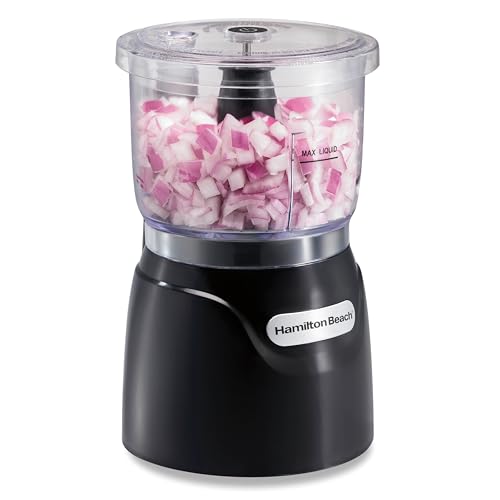
Best for small kitchens or quick carrot dicing. The 3-cup capacity is perfect for everyday tasks and emulsifying dressings. The stack-and-press design minimizes setup steps. A minor caveat is that the compact bowl can limit batch size and may require multiple rounds for larger recipes.
Cuisinart 14-Cup Pro Food Processor
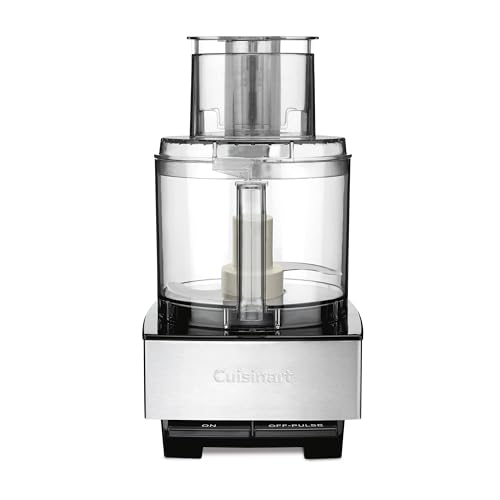
Best for serious carrot processing and multi-tasking. The 14-cup capacity paired with a 720-watt motor handles large batches and a variety of tasks, including shredding, dicing, and kneading dough. It’s best for cooks who regularly prepare sauces, dips, and large quantities. A limitation is that it may be more complex to clean due to the larger accessory set.
Cuisinart Mini-Prep Plus 24-Ounce

Best for herbs, small batches of carrots, and quick chopping. The 24-ounce bowl is convenient for everyday tasks and easy cleanup with a dishwasher-safe bowl. It is ideal for those who prefer a compact, no-fuss unit. The reversal blade aids in efficient chopping, but it isn’t intended for large quantities.
Buying Guide: Key Considerations For Carrot Processing
- Capacity and batch size: Choose 8–14 cups if you cook for families or batch meal prep; 3–4 cups for compact spaces or single servings.
- Blade system and versatility: Look for blades that handle shredding, slicing, mincing, and puree to minimize tool swaps.
- Ease of assembly and cleaning: Models with “Stack & Snap” or simple locking mechanisms save setup time; dishwasher-safe parts improve cleanup.
- Chute size and feed tube: A larger mouth chute reduces pre-cutting, especially for whole carrots.
- Durability vs. convenience: Higher-widelity motors handle tougher tasks but may cost more; balance with intended use.
- Safety and BPA-free materials: Ensure the unit meets safety standards and uses food-grade plastics where relevant.
Frequently Asked Questions
- What is the best capacity for regular carrot prep? A: An 8 to 12-cup processor covers typical weekly carrot tasks, from shredding to puree.
- Are BPA-free parts important for carrot processing? A: Yes, to minimize potential contact with chemicals in frequent use.
- Should I choose a dedicated mini chopper or a full-size processor for carrots? A: A full-size processor is better for larger batches, while a mini chopper suits quick, small tasks.
- Is cleaning easier with sealed bowls? A: Sealed bowls reduce leaks but may require more thorough cleaning after use.
- Can these machines blend carrots into smooth purees? A: Yes, most models with strong motors and sharp blades can puree carrots, though some may require liquid to reach a smooth texture.
- Is multiple blades configuration necessary? A: It depends on your tasks; for carrots, a standard S-blade plus optional shredding and slicing discs offer flexibility.