Best Stand Mixer Tilt vs Bowl Lift: Top Picks for Every Kitchen
Answer: Bowl-lift models generally offer stronger bowl stability and higher capacity, while tilt-head designs tend to be lighter and easier to access for small counters. This guide compares five relevant options to help buyers choose between tilt-head and bowl-lift setups based on capacity, stability, and accessory compatibility. It’s ideal for home bakers, busy families, and cooks who regularly knead dough or whisk large batches. The table below highlights the selected products and what each is best for.
| Product | Best For | Key Benefit |
|---|---|---|
| KitchenAid 5.5 Quart Bowl-Lift Stand Mixer, KSM55SXXX | Bakers needing strong bowl stability | 2x the power in the bowl vs Tilt-head; 3-point locking bowl |
| KitchenAid 7 Quart Bowl-Lift Stand Mixer, KSM70SKXX | Large-batch baking | 7-quart capacity; powerful speeds for batches |
| KINTLE 3 Height Adjustments for Bowl-Lift | Fine-tuned mixing height | Three height options to reach the bowl bottom |
| Micro Traders Height Adjustment Washers | Small-batch or challenging mixes | Silicone spacers to improve contact with the paddle |
| Hipplan 5 Qt Stainless Steel Mixing Bowl for Tilt-Head | Tilt-head users upgrading bowls | Secure fit for many tilt-head models; durable stainless |
KitchenAid 5.5 Quart Bowl-Lift Stand Mixer
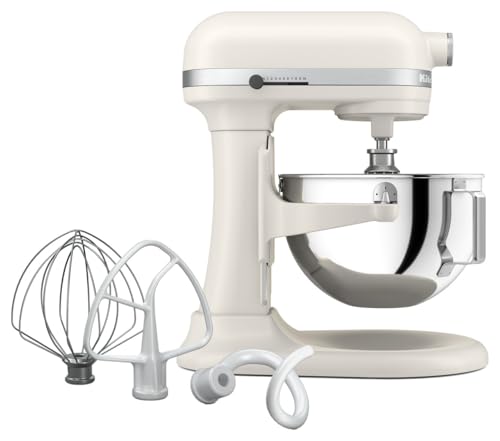
The KSM55SXXX is a bowl-lift design featuring 11 speeds for precise control, with a 5.5-quart bowl and 2x the power in the bowl compared with some tilt-head models. The 3-point locking system adds stability during heavy kneading and mixing. Best for traditional bakers who regularly handle dense doughs or large batches. A potential limitation is the higher footprint and heavier weight, which may impact small kitchen setups.
KitchenAid 7 Quart Bowl-Lift Stand Mixer

With a larger 7-quart bowl and 11 distinct speeds, this bowl-lift model is best for heavy bakers or households that bake in volume. It excels at folding and delicate additions at 1/2 speed to avoid overbeating. Choose this if you routinely bake big batches of cookies, bread dough, or mashed potatoes. A consideration is the heavier setup, which requires more storage space and a stable surface.
KINTLE Three-Height Adjustments for Bowl-Lift

This add-on kit provides three different heights to ensure the mixer paddle can reach the bottom of the bowl for small or multiple-ingredient mixes. Best for cooks who frequently work with small portions or light batters where poor paddle contact is a concern. Limitation: it’s an accessory, so it requires a compatible bowl-lift base to function.
Micro Traders Height Adjustment Washers

These silicone washers adjust the paddle height to improve contact with the bowl bottom for even mixing in bowl-lift models. Best for anyone seeking more consistent mixing in smaller batches or with denser ingredients. A consideration is that you may need multiple washers to match your specific bowl height, depending on your mixer model.
Hipplan 5 Quart Mixing Bowl for Tilt-Head

This 5-quart stainless steel bowl is designed to fit tilt-head KitchenAid mixers with a secure clasp and handle. Best for tilt-head users looking to upgrade or replace a worn bowl without changing the base unit. Limitation: compatibility varies by model; ensure the clasp and locking mechanism match your tilt-head base.
Buying Guide: Key Considerations For Stand Mixer Types
- What’s your mixing style? Bowl-lift designs offer stronger stability and bigger bowls for heavy doughs, while tilt-head models are lighter and easier to access when adding ingredients.
- Capacity needs: Do you regularly bake in large batches? A 7-quart bowl-lift supports bigger recipes, but a 5.5-quart model suits everyday family baking.
- Stability and mounting: Bowl-lift bases often feel steadier during kneading; check the base width and any locking mechanisms for wobble resistance.
- Height and paddle reach: If you use small batches or tricky batters, height-adjustment accessories (like the KINTLE kit or silicone washers) can improve paddle contact with the bowl bottom.
- Accessory compatibility: Confirm that your chosen tilt-head or bowl-lift unit accepts the same attachments (beaters, paddles, whisks) you plan to use.
- Counter space and weight: Larger bowl-lift models require more counter space and may need storage consideration when not in use.
FAQ
- What is the main difference between tilt-head and bowl-lift mixers?
- Which is better for kneading bread dough?
- Can height adjustment accessories improve mixing results?
- Are replacement bowls and accessories widely compatible?
- Should I consider capacity over size?
- Do tilt-head bowls wear out faster than bowl-lift bowls?
The tilt-head design pivots at the top to access the bowl, making it lighter and easier to add ingredients. The bowl-lift raises the bowl and locks it into place for stability, which is advantageous for heavy doughs and larger batches.
Bowl-lift models generally provide more stable mixing and can handle heavier doughs without tipping, making them better for bread dough.
Yes. Height adjustments help ensure the paddle reaches the bowl bottom, which can improve mixing consistency, especially in small batches.
Compatibility varies by model. Check the specific mixer model and accessory listings to ensure proper fit and locking compatibility.
Yes. Larger capacity is useful for big recipes but requires more space and a sturdy surface. If you rarely bake in large batches, a smaller bowl-lift or tilt-head may be more practical.
Wear depends on usage. Tilt-head bowls may show more wear around the locking mechanism due to frequent tilting, while bowl-lift bases emphasize stability and locking integrity.